Dedicated Circuits for Heat Pumps, Appliances, and EV Chargers
Dedicated circuits for heat pumps, appliances, and EV chargers separate high-demand equipment from other loads, and Toledo Electrician checks the panel, wiring, load capacity, protection, and equipment requirements before installing or upgrading a circuit.
Get a Free EstimateWhy High-Demand Equipment Needs Its Own Circuit
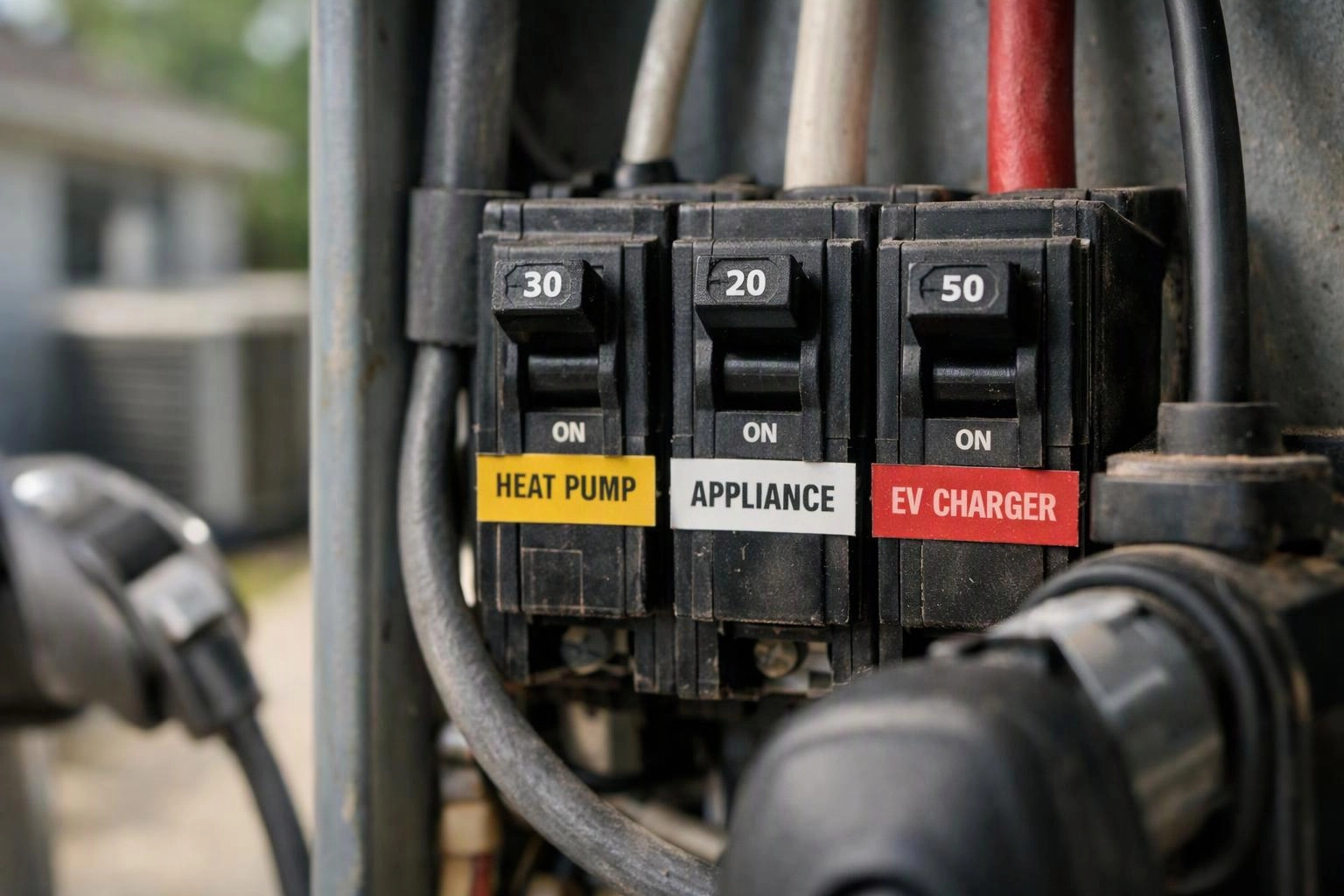
A dedicated circuit is a separate branch circuit that supplies one piece of equipment without sharing its electrical load with unrelated devices. Heat pumps, major appliances, and EV chargers can draw substantial power during operation or startup.
Shared circuits can cause nuisance trips, overheating, voltage problems, or unreliable equipment operation when the combined demand exceeds the circuit breaker or wiring capacity. We check the existing circuit load and select protection that matches the equipment and electrical code requirements.
Which Equipment Commonly Needs a Dedicated Circuit?
Heat pumps, EV chargers, and major appliances commonly need dedicated circuits when their electrical requirements or manufacturer instructions call for separate protection.
We review the nameplate information, manufacturer requirements, and existing branch circuits before deciding whether separate wiring is needed.
How Homeowners' Electrical Needs Differ by Equipment
Homeowners need different circuit decisions because a heat pump, major appliance, and EV charger place different demands on the panel, wiring, and electrical service.
Our team compares the equipment requirements with the available panel capacity, outdoor wiring conditions, and existing electrical service.
| What is being compared | Homeowners | Other customers |
|---|---|---|
| Primary equipment | Heat pumps, appliances, and EV chargers connected to a residential panel. | Equipment connected to a different electrical distribution system. |
| Panel capacity | Existing demand and available breaker space affect the installation. | The serving equipment and distribution layout affect available capacity. |
| Wiring route | Indoor, wall, attic, garage, or outdoor wiring may be required. | The site layout determines conduit and conductor routing. |
| Protection needs | Breaker, grounding, and ground-fault protection depend on the equipment and location. | Protection follows the equipment specifications and applicable requirements. |
| Service changes | A service upgrade may be needed when whole-home demand exceeds available capacity. | Distribution changes depend on the serving system and added load. |
Why Homeowners Choose Dedicated Circuit Installation
Homeowners choose dedicated circuit installation when new equipment needs dependable power and a clearly separated path from other household loads.
We match the circuit design to the equipment so the improvement supports safe use today and possible future electrical demand.
What We Check Before Adding a New Circuit
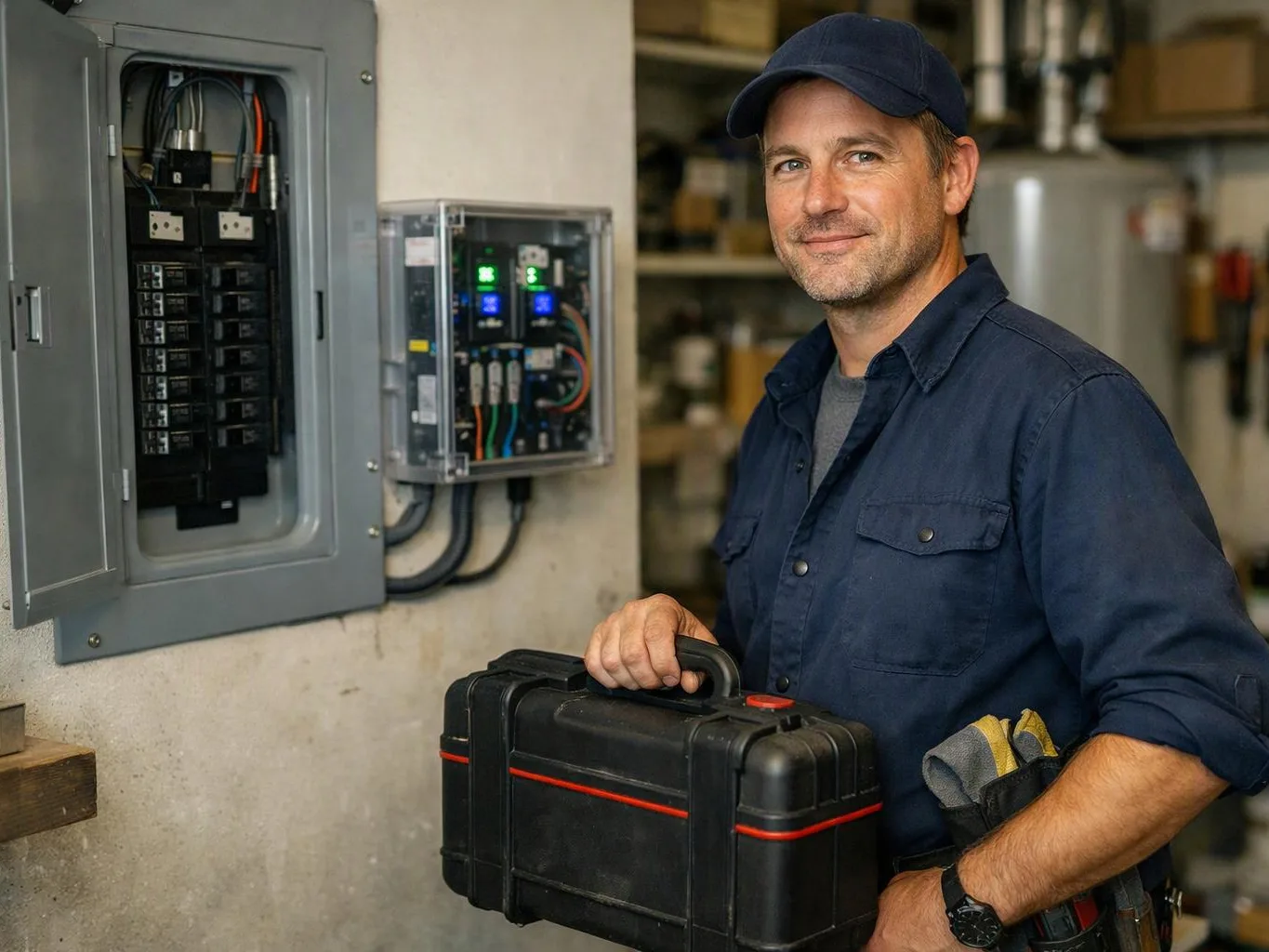
A new circuit depends on available panel space, total electrical load, service capacity, wiring routes, protection requirements, and the equipment manufacturer's specifications.
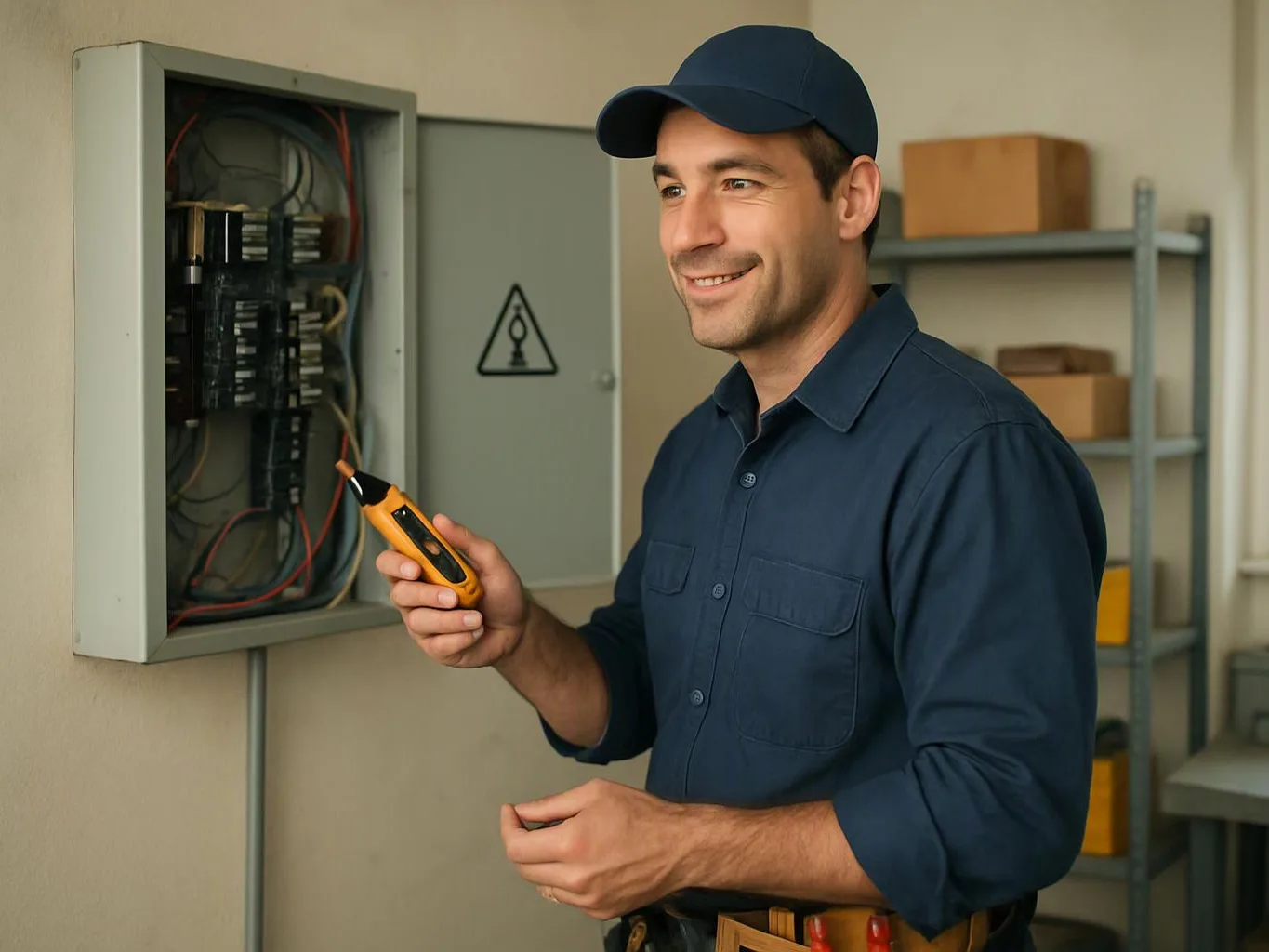
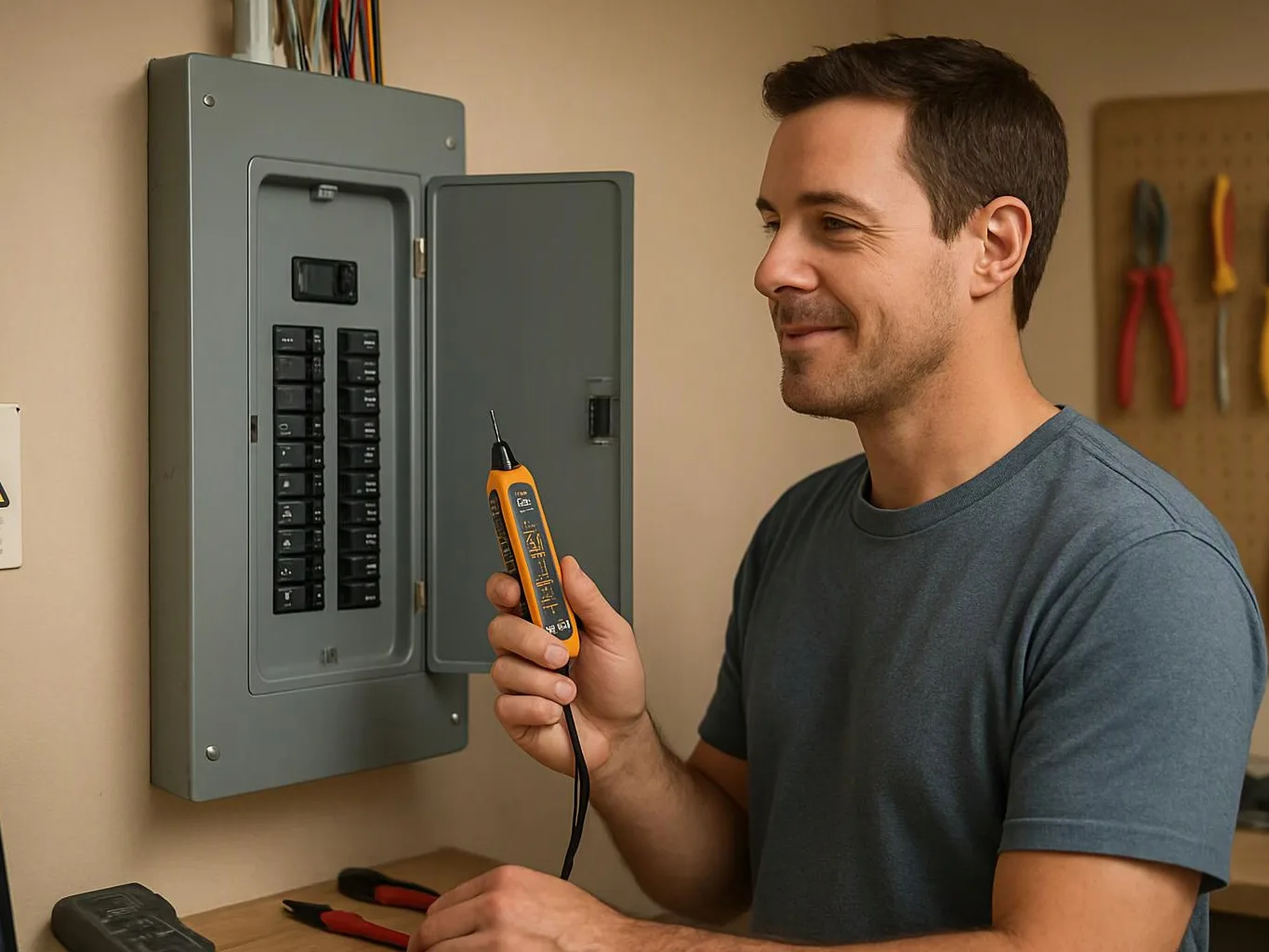
We inspect the electrical panel, review service capacity, and complete a load calculation before choosing the circuit design.
Our check includes breaker space, wire size, conductor routing, grounding, bonding, and the equipment specifications. We also consider whether conduit, a disconnect, or ground-fault protection is required by the equipment and installation location.
How We Decide Whether Your Panel Supports New Equipment
A panel supports new equipment only when its available capacity, spaces, bus rating, service conductors, and existing demand can safely accommodate the added load.
We use the load calculation and equipment requirements to decide whether the existing panelboard can support the circuit or whether an upgrade is needed.
What Features Matter in a Dedicated Circuit Installation
Dedicated circuit features matter because each part must work together to protect the equipment, conductors, and occupants.
Our crew selects the installation details from the equipment specifications, circuit design, and location conditions.
Common Challenges With Heat Pump, Appliance, and EV Circuits
Common challenges include limited panel capacity, a crowded electrical panel, long wiring runs, and equipment installed outdoors.
We identify these conditions before installation so the circuit design accounts for voltage requirements, existing electrical load, and the possible need for a service upgrade.
When a New Circuit Requires a Service or Panel Upgrade
A service or panel upgrade becomes necessary when the existing equipment cannot safely provide the required capacity, breaker space, or compatible protection for the new circuit.
We assess the main breaker, service entrance, panel condition, and available capacity before recommending a larger change.
A panel upgrade may address space, bus rating, or equipment compatibility. A service upgrade may be needed when whole-home electrical demand exceeds what the existing service can safely supply.
How We Install and Price the Right Circuit
We price the right circuit from the site conditions, load calculation, wiring route, equipment connection, protection needs, and any required panel or service work.
Our process keeps the quote tied to the actual installation instead of assuming that every home has the same panel capacity or wiring path.
Which Dedicated Circuit Service Fits Your Project?
Dedicated Circuit Installation fits projects that need a new or upgraded individual circuit for high-demand equipment.
Heat-Pump and Appliance Circuit Wiring fits equipment that needs dedicated power matched to its manufacturer requirements and installation location.
Level-Two EV Charger Installation may require an EV charger circuit, outdoor wiring, load management, or changes to the electrical panel.
An Electrical Service Upgrade or Electrical Panel Upgrade fits projects where the existing service capacity, breaker space, or panel equipment cannot support the new demand.
Toledo Electrician reviews the full electrical system and explains which service matches the equipment and the home's available capacity.
Contact us about your dedicated circuit project so we can review the equipment and prepare the right next step.
Questions About Dedicated Circuits for Heat Pumps, Appliances, and EV Chargers
Can a heat pump share a circuit with another appliance?
A heat pump generally needs its own circuit when its electrical requirements or manufacturer instructions call for dedicated protection. Toledo Electrician checks the equipment data, existing circuit load, panel capacity, and protection requirements before we choose the circuit design.
What happens if an EV charger is connected to an overloaded panel?
An overloaded panel may experience breaker trips, voltage problems, overheating, or unsafe electrical demand when an EV charger operates. We complete a load calculation and inspect the panel before installing an EV charger circuit.
Does a dedicated circuit need a separate breaker?
A dedicated circuit uses circuit protection assigned to that equipment and sized for its conductors and electrical load. We select the breaker and protection from the equipment specifications and applicable electrical requirements.
Can an existing outlet be used for a high-demand appliance?
An existing outlet can be used only when its circuit, wiring, protection, voltage, and equipment requirements are compatible. We inspect the outlet and branch circuit before deciding whether it can safely serve the appliance.
What should I do before buying an EV charger for my home?
Before buying an EV charger, check its voltage and electrical requirements and have us review the electrical panel, service capacity, wiring route, and equipment location. That review shows whether a dedicated circuit is enough or whether panel or service work is needed.
Dedicated circuit projects depend on the equipment, panel capacity, wiring route, protection, and whole-home electrical demand. We can assess those factors and explain the work included in the quote.
Talk with Toledo Electrician about your circuit installation.
Related Resources
How Much Does Level 2 EV Charger Installation Cost in Toledo?
What It CostsElectrical Panel Upgrade Cost Factors: Amperage, Breakers, Labor, and Scope
How It WorksPool and Hot-Tub Electrical Installation: Process and Cost Factors
Compared ToElectrical Panel Repair, Replacement, or Upgrade: Which Is Right?