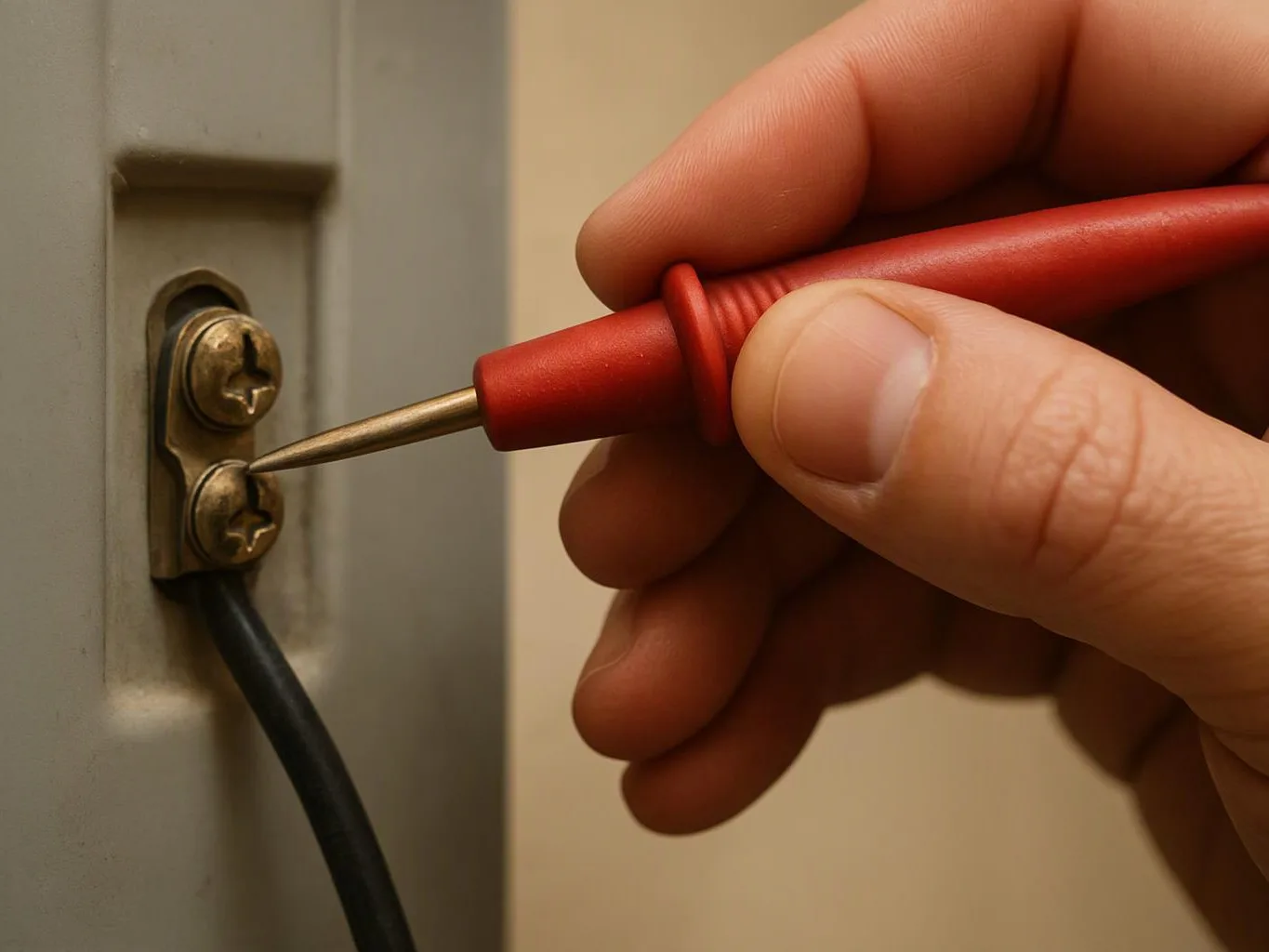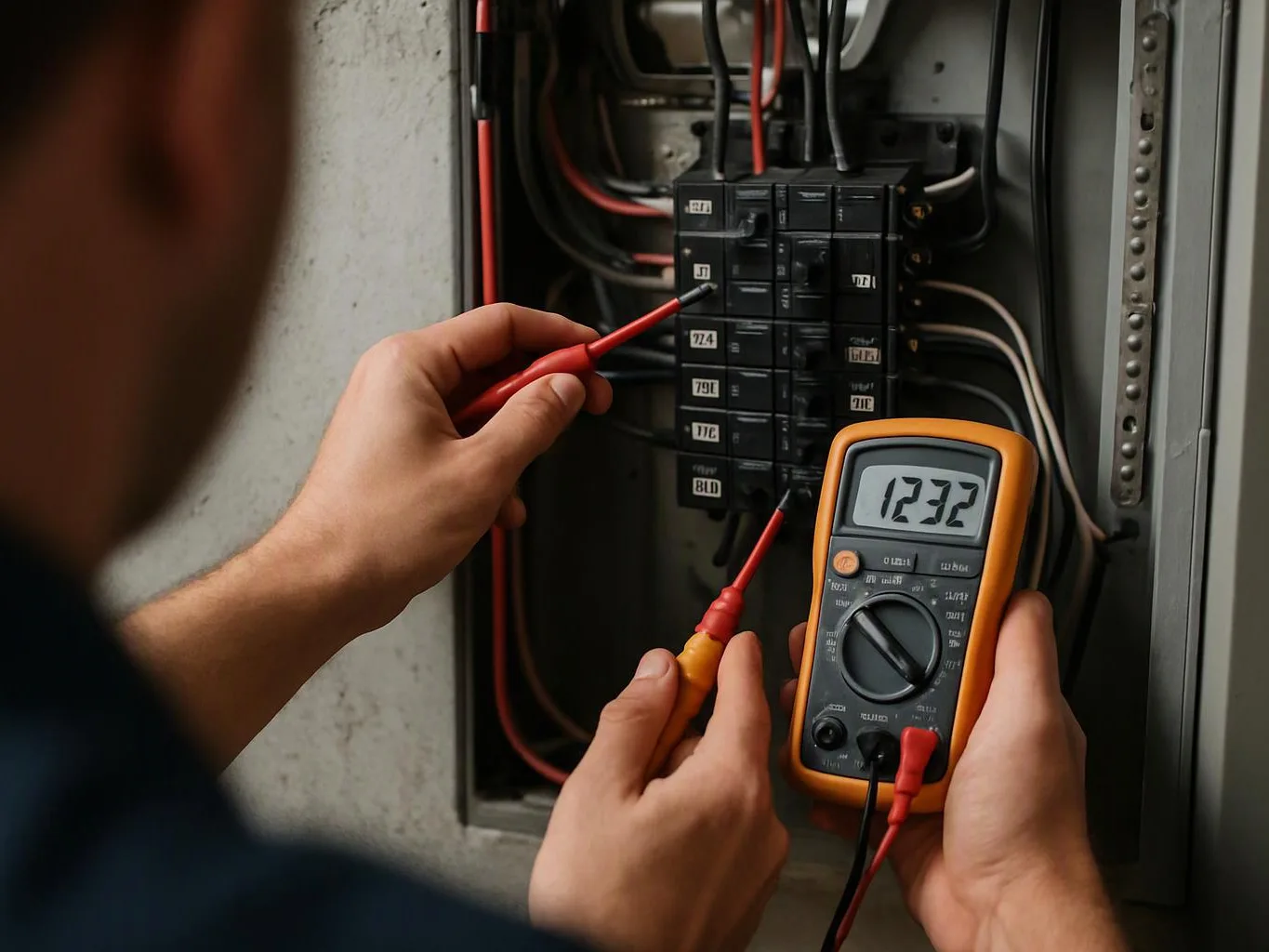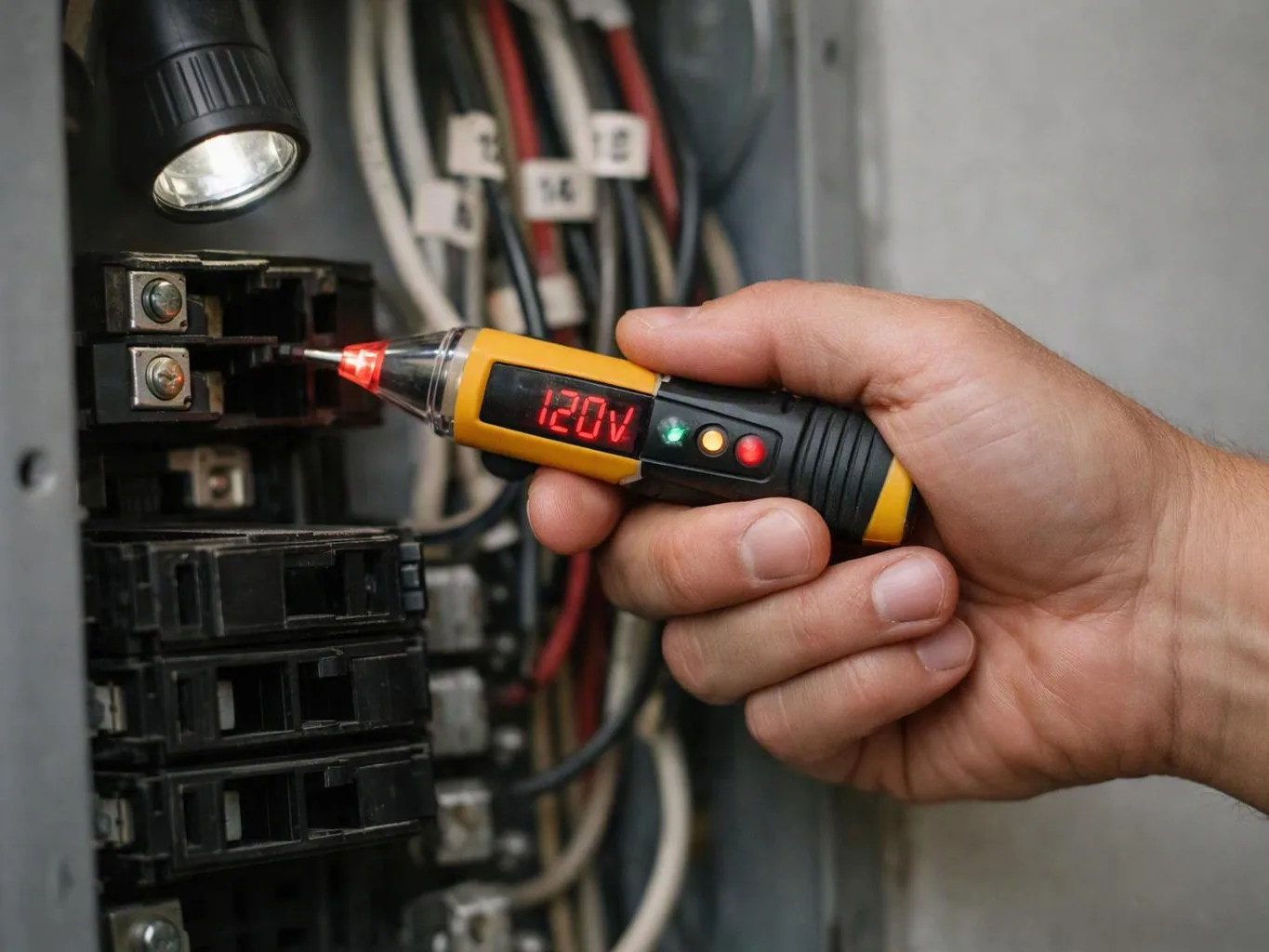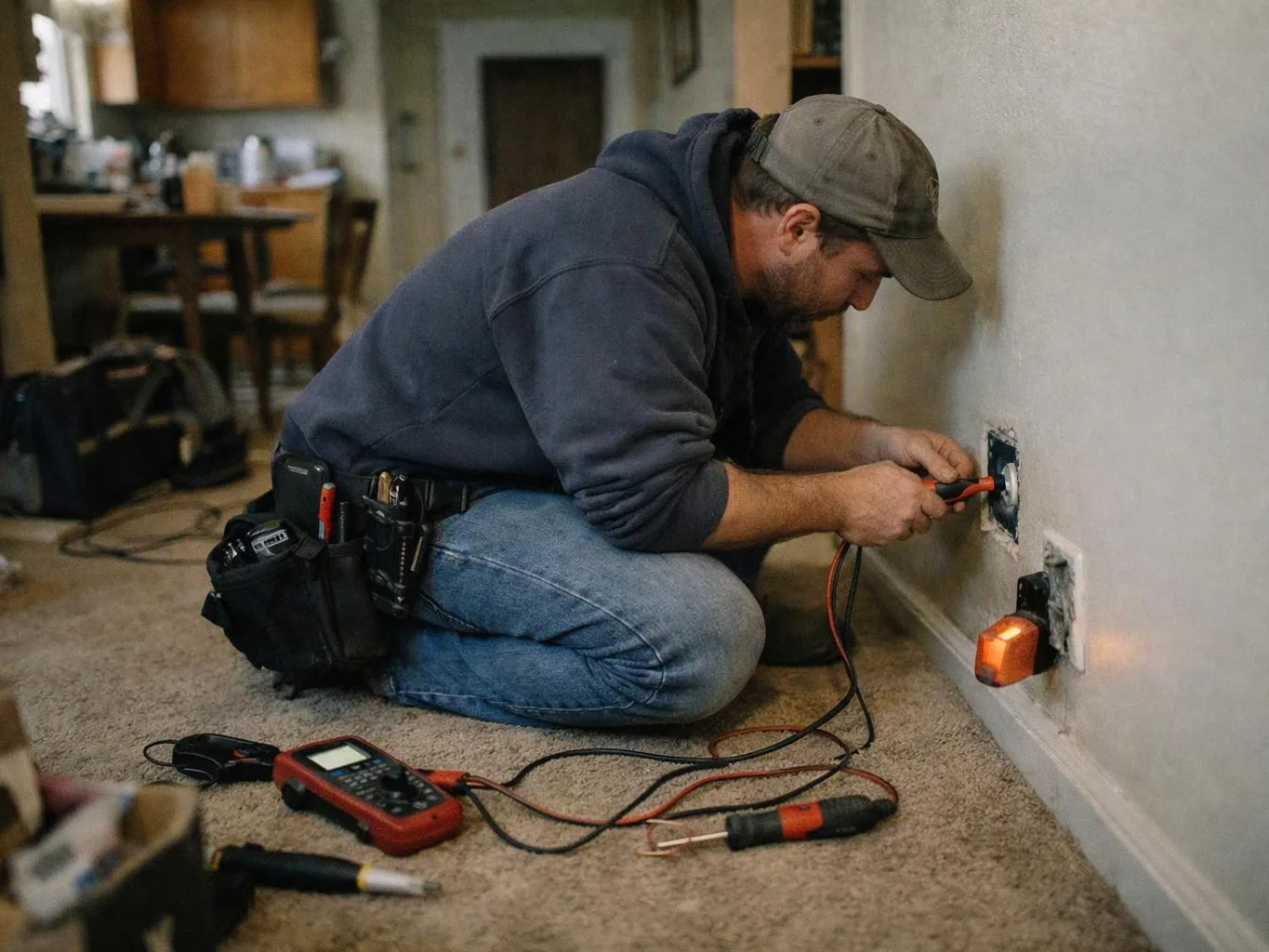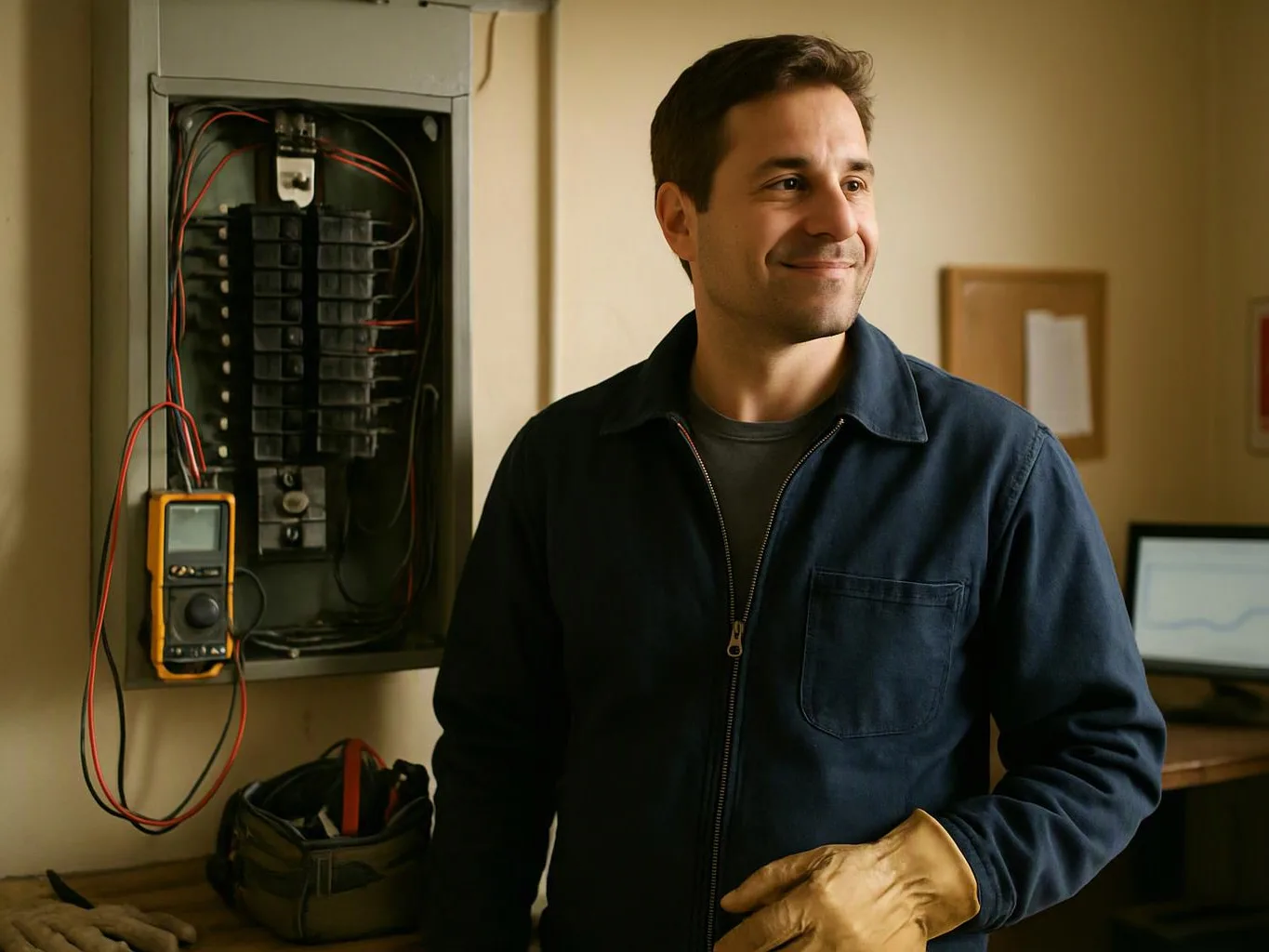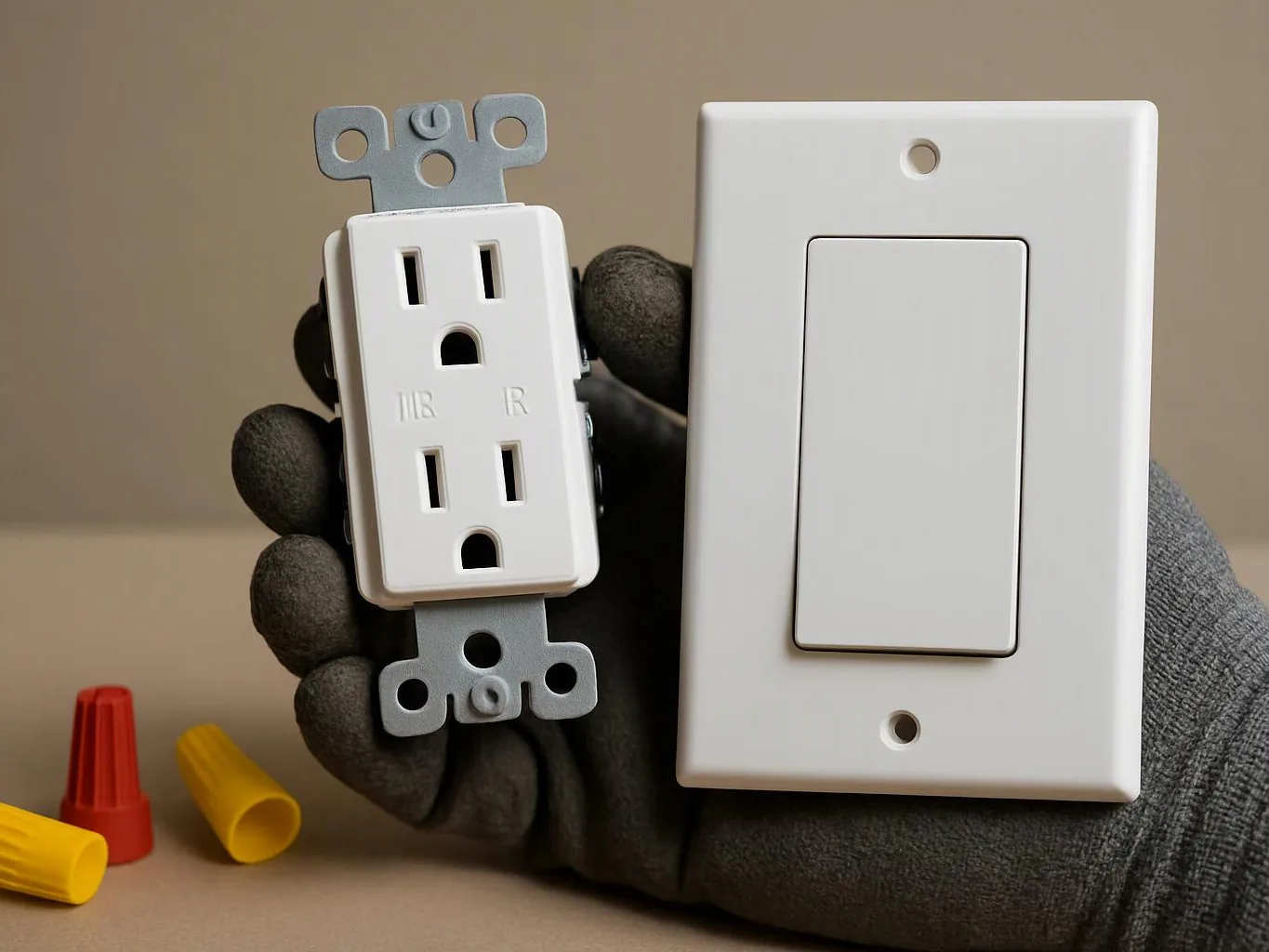
Inspect the equipment and panel
We identify the equipment load, inspect the panel, and trace nearby circuits. This shows whether the existing electrical system can support the planned work.
We install separate circuits for appliances and equipment that need their own power path. Our work supports homes and commercial properties throughout the area.
The intended appliance receives a power path planned for its demand.
Shared circuit overload becomes easier to identify and correct.
A labeled circuit makes future service and panel checks more direct.
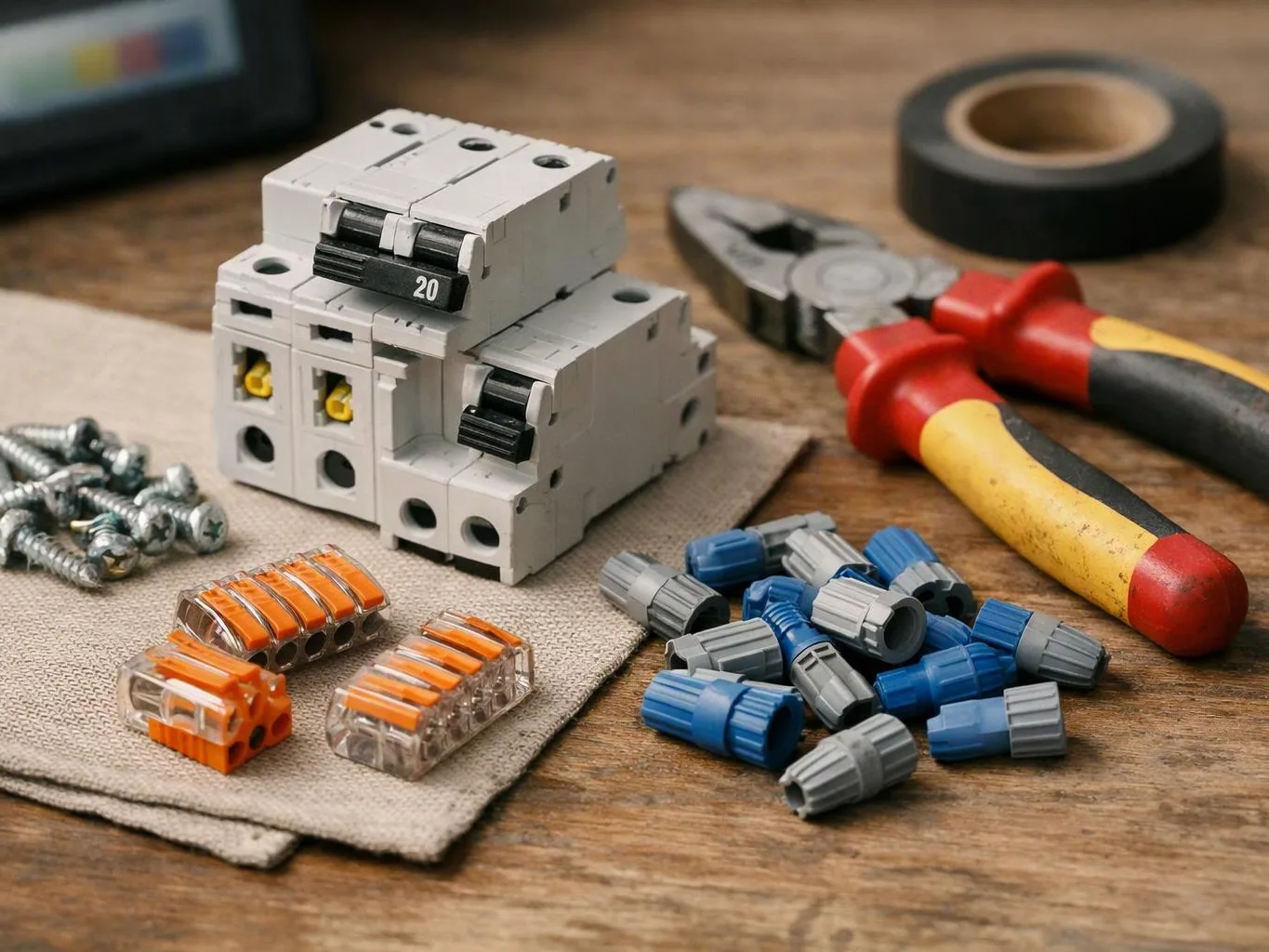
Dedicated circuit installation gives one planned load its own branch circuit. Common examples include large appliances, workshop equipment, and other devices that place sustained demand on wiring. We start with the equipment location and the electrical panel. Our electricians review panel space, circuit demand, wire routing, grounding, and the connection point. The work may include a new breaker, cable, outlet, and circuit label when those parts fit the job. A dedicated circuit is not a replacement for every electrical fault. A buzzing panel, burning smell, or sparking outlet needs fault identification first. We address the unsafe condition before planning an added circuit. Our main recommendation is to plan the circuit around the equipment load, not the outlet location alone. That approach helps prevent a new outlet from being connected to an already stressed circuit.
Dedicated Circuit Installation is electrical work that gives one appliance or equipment load its own circuit from the panel.
We identify the equipment load, inspect the panel, and trace nearby circuits. This shows whether the existing electrical system can support the planned work.
We choose the wiring path, outlet location, breaker connection, and access points. The plan accounts for the property and the equipment's intended location.
Our electricians install the circuit wiring and connect the required breaker and outlet. We work carefully around existing wiring and panel components.
We test the connection, check circuit operation, and map the circuit at the panel. You receive a clear explanation of what the circuit serves.
A few details help us plan the circuit around the actual equipment and property.
We trace existing circuits and identify faults before recommending a separate branch for the planned equipment.
We inspect wiring, panel connections, grounding, and outlet placement carefully throughout each dedicated circuit installation.
We connect, replace, or upgrade panels, breakers, and wiring when the dedicated circuit plan requires those changes.
Share your equipment details and panel location to request an estimate; urgent requests get priority scheduling.
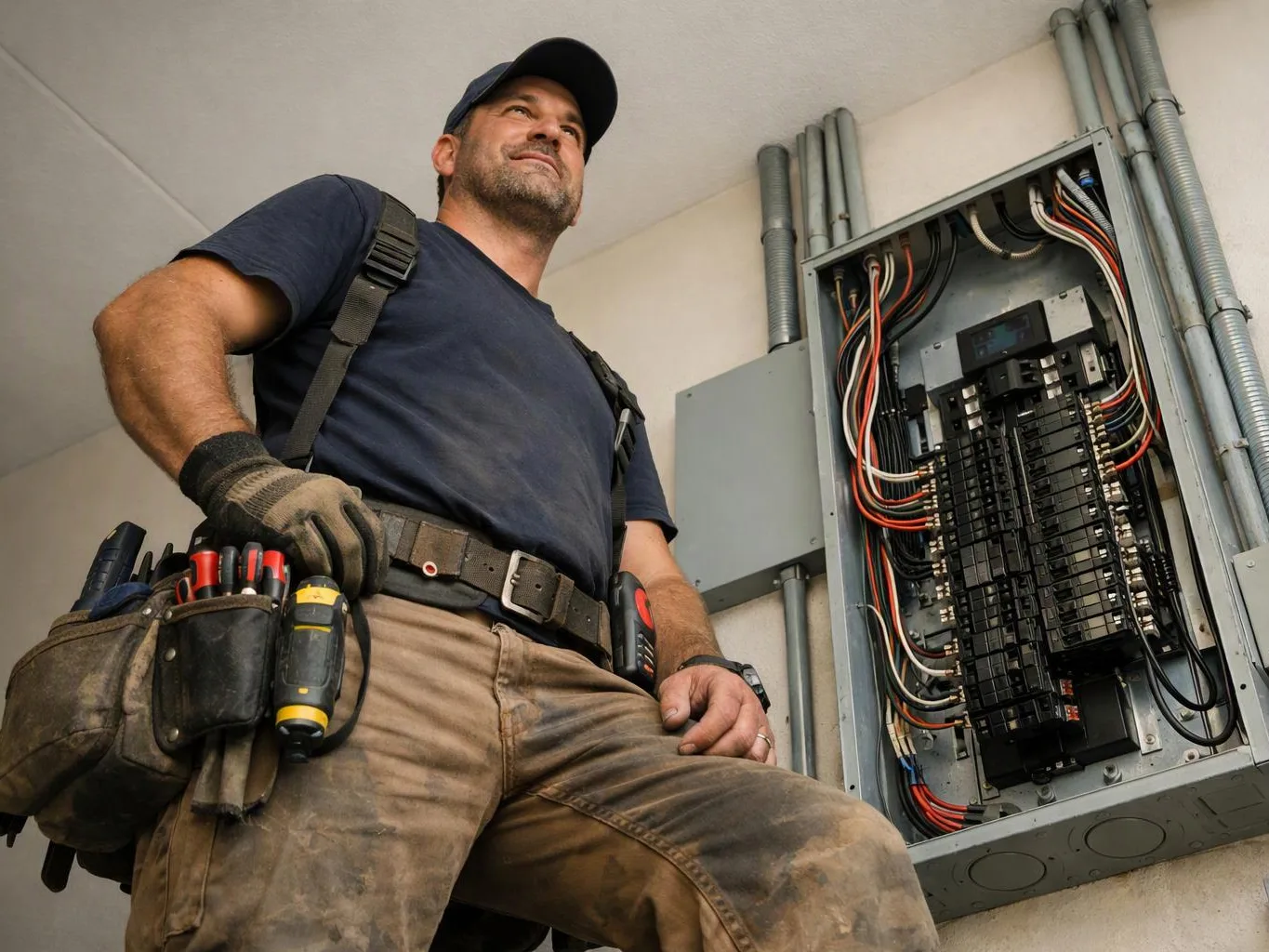
A workshop tool keeps tripping a breaker when other devices run nearby. The key issue is whether the tool shares a circuit with lights, outlets, or another high-demand load. We trace the existing wiring, inspect panel capacity, and plan a separate circuit when the equipment needs its own branch. Turn the tool off and request an inspection before repeated resets create more heat.
A homeowner is adding equipment but has no suitable outlet at the planned location. Circuit routing, panel space, grounding, and access all shape the installation. We review the equipment details and property layout before choosing the outlet and wiring path. Keep the equipment unplugged until the circuit and connection have been checked.
A business needs power for equipment without disrupting nearby loads or customer access. The installation must account for the panel, cable route, equipment position, and work area access. We coordinate the circuit plan around the property’s use and test the finished connection before explaining the panel label and circuit purpose.