Home Power Outages: How to Find the Cause and Restore Power Safely
Home power outage troubleshooting starts by checking whether the outage affects the whole property, inspecting the electrical panel for a tripped breaker, and looking for hazards such as smoke, burning odors, sparks, or damaged wiring. Toledo Electrician diagnoses the source, repairs unsafe electrical equipment, and helps restore power safely when basic checks do not resolve the problem.
Get a Free EstimateWhat Should You Check First During a Home Power Outage?
Home power outage troubleshooting begins by checking the outage scope, nearby utility conditions, and the electrical panel without touching damaged equipment.

These checks help separate a utility outage from a home electrical fault. Our team uses the same safe decision path before beginning electrical troubleshooting.
Why Is Only One Part of the Home Without Power?
A partial power outage usually indicates a circuit, outlet, breaker, connection, or panel problem affecting only part of the home.
A branch circuit may have a tripped circuit breaker or a failed GFCI outlet. A loose connection can also interrupt power to several outlets or lights while other rooms remain active.
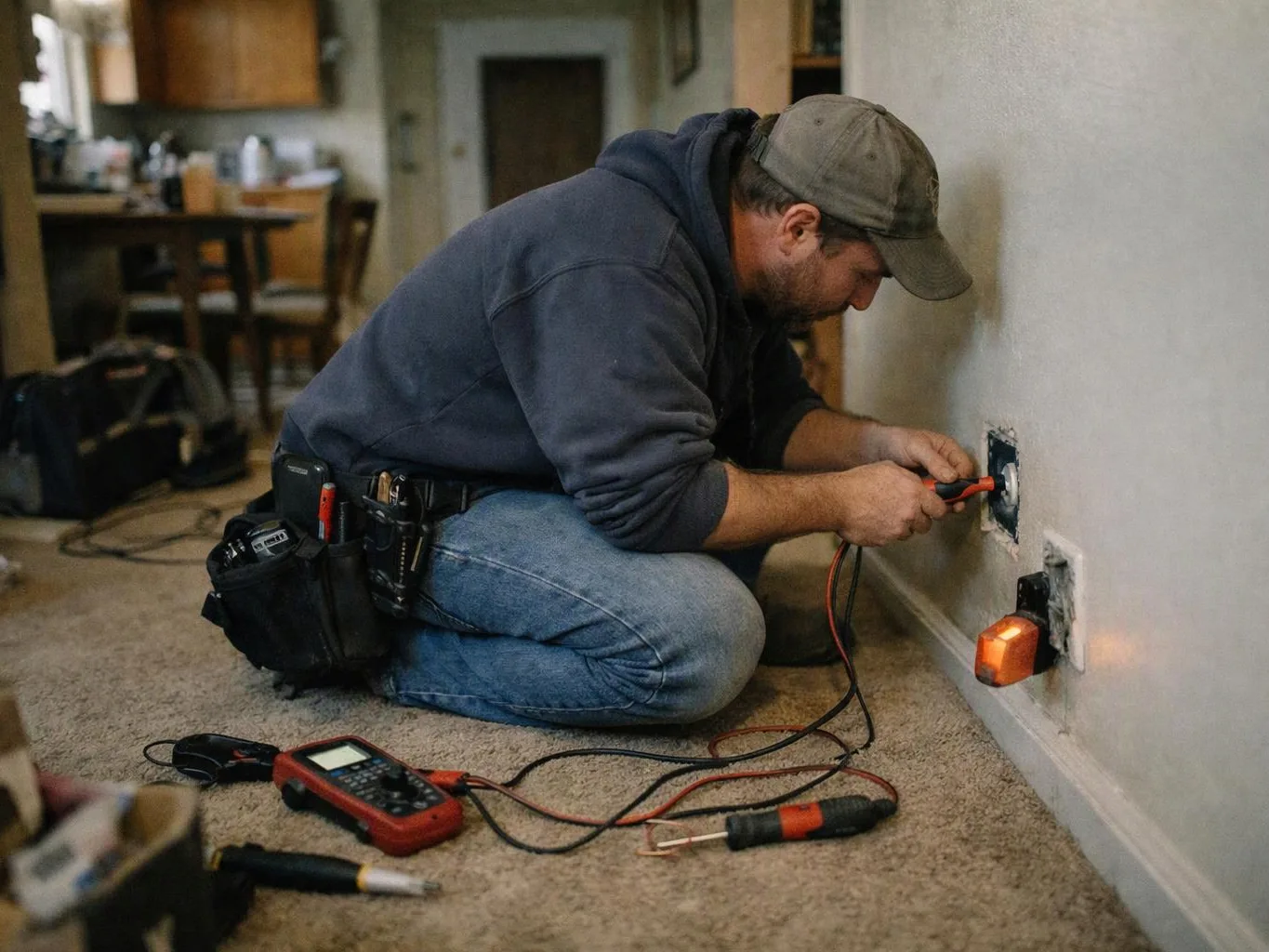
We trace the affected circuit from the service panel to the outlets and fixtures. Our team tests the circuit and checks for unsafe connections before restoring power.
How Can You Reset a Breaker Safely?
You can reset a circuit breaker once when the breaker panel and surrounding area are dry and undamaged, but a breaker that trips again needs electrical diagnosis.
A breaker can trip because of an overload or short circuit. We diagnose the cause before completing circuit breaker repair, because repeated resets can increase electrical safety risks.
What Outage Symptoms Mean You Should Stop Troubleshooting?
Homeowners should stop troubleshooting when an outage shows signs of heat, fire, exposed conductors, or electric shock hazard.
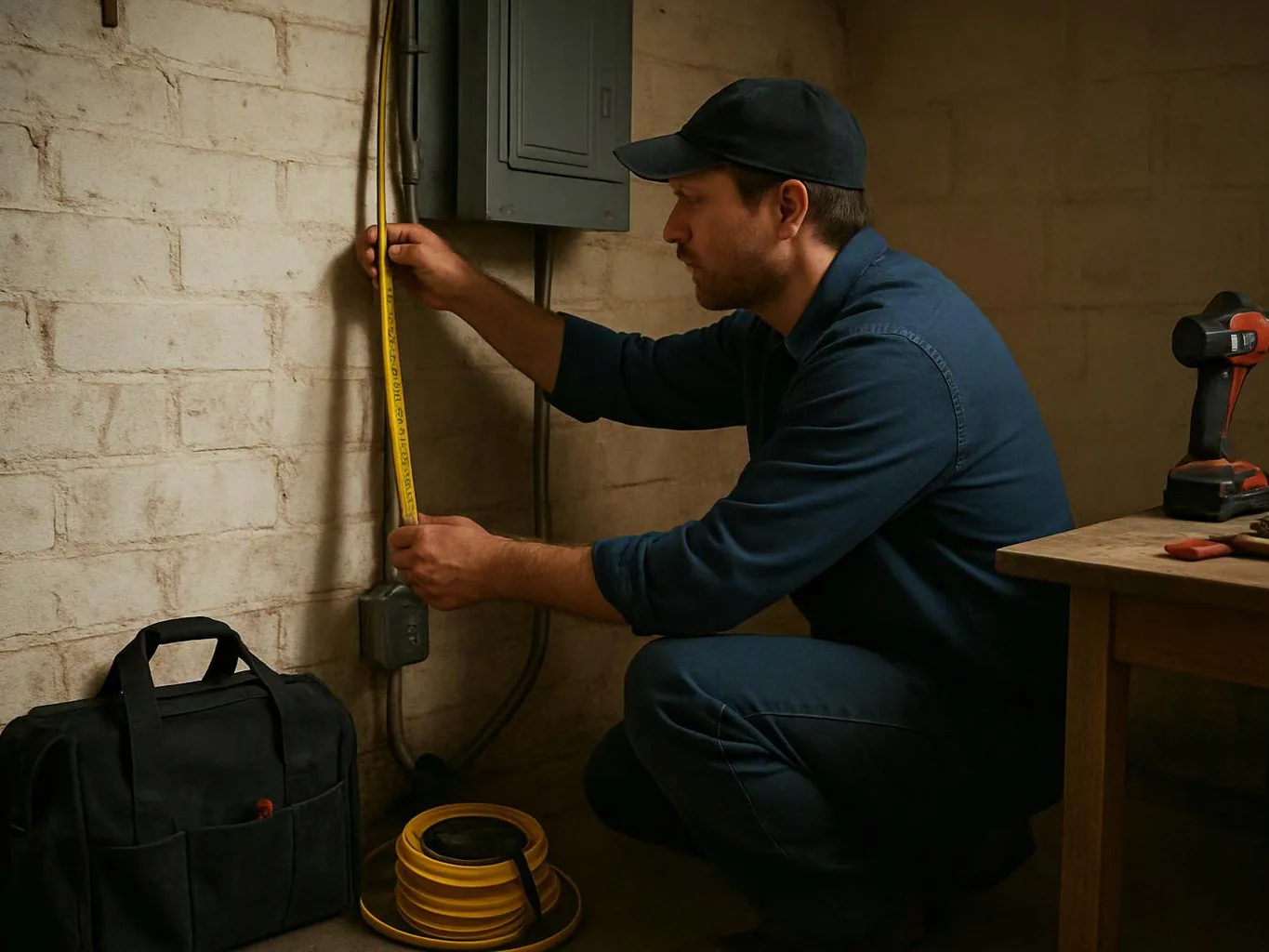
Do not touch damaged equipment or attempt another breaker reset. We isolate the unsafe area and identify the electrical fault before planning power restoration.
How Do Utility Outages Differ From Home Electrical Faults?
A utility outage affects the incoming electrical supply, while a home electrical fault usually affects equipment, circuits, or wiring inside the property.
The location of the failure helps determine whether to contact the utility company or request electrical service. Do not open or handle a power meter, service drop, or other utility equipment.
| What is being compared | Homeowners | Other customers |
|---|---|---|
| Neighborhood outage | Report the interruption to the utility company. | Landlords and property managers may need to coordinate reports for occupied units. |
| Power meter or service drop | Avoid contact and wait for utility direction. | Business owners may need to protect equipment and operations. |
| Main breaker | Check only when the panel is dry and undamaged. | Property managers may need a documented inspection for several occupants. |
| Branch circuit | A single room or group of outlets may lose power. | Businesses may have separate circuits for equipment and essential systems. |
| Power restoration | Protect the occupied home and household appliances. | Renters, landlords, and businesses may need access coordination. |
Utility crews handle the utility supply and service equipment. We handle faults within the home electrical system, including branch circuits, breakers, wiring, and panels.
How Homeowners' Outage Needs Differ From Other Customers
Homeowners usually need a safe diagnosis that protects an occupied home, while other customers may need access planning or coordination across several spaces.
The comparison below shows how the same power loss can create different service needs. We adjust our troubleshooting process to the property and the people who need access.
| What is being compared | Homeowners | Other customers |
|---|---|---|
| People affected | Residents may need safe access to lighting, heating, cooling, or refrigeration. | Renters, landlords, and property managers may coordinate several occupants. |
| Access to equipment | The homeowner can identify the panel and affected rooms. | Property managers may need keys or access arrangements. |
| Essential circuits | Household safety and basic appliances are the main concern. | Businesses may need to protect operations and equipment. |
| Communication | One resident can describe flickering lights or a tripped breaker. | Managers may collect reports from several rooms or units. |
Our team records the affected circuits, observed symptoms, and access limits before fault isolation. That information keeps the repair focused and helps protect an occupied property.
Why Homeowners Need Power Outage Troubleshooting
Homeowners need power outage troubleshooting to identify electrical faults before they damage equipment or create a safety risk.
We test the home electrical system before restoring affected circuits. Our approach helps separate a simple breaker issue from a deeper wiring or panel problem.
Which Troubleshooting Features Matter During a Home Outage?
Useful outage troubleshooting focuses on accurate diagnosis, safe testing, and clear identification of the failed component.
Our team combines these checks with fault isolation. We explain the repair scope before completing power outage repair.
What Common Challenges Make a Home Power Outage Hard to Diagnose?
Intermittent symptoms and hidden electrical faults can make a home power outage difficult to trace.
We reproduce the reported symptoms when safe and test the circuit under controlled conditions. This process helps us diagnose the fault without relying on guesswork.
How Toledo Electrician Finds and Repairs the Cause
Toledo Electrician finds the cause through electrical troubleshooting, circuit testing, and fault isolation before completing power outage repair.
We begin by reviewing what lost power, whether the problem is intermittent, and whether the main breaker or a branch circuit changed state. Our team then inspects accessible electrical equipment and tests the affected circuit.
When the failed component is identified, we explain the repair scope. Our work may include circuit breaker repair, electrical panel repair, or correction of an unsafe electrical connection.
We restore power only after the repaired circuit is checked for safe operation. For broader concerns, our crew can also explain whether an electrical inspection or rewiring assessment is appropriate.
When Should You Call the Utility Company or an Electrician?
Call the utility company when the outage extends beyond the home or affects the utility supply, and contact Toledo Electrician when the fault is inside the property or the panel shows unsafe symptoms.
A neighborhood outage, failed power meter, or service drop concern belongs with the utility company. Do not touch utility equipment or attempt to repair the incoming service.
Call us when only part of the home has power, the breaker keeps tripping, outlets remain dead after a reset, or home wiring shows heat or damage. We inspect the electrical panel and affected circuits to locate the fault.
What Does a Power Outage Repair Quote Include?
A power outage repair quote depends on the failed component, access to the fault, required parts, and the repair scope; Toledo Electrician provides Free Estimates Available before approved work.
Our assessment considers whether the issue involves a circuit breaker, wiring, GFCI outlet, electrical panel, or another part of the home electrical system. We explain what we found and which repairs are needed to restore safe operation.
To request an exact quote, share which areas lost power, whether the outage is intermittent, what happened at the panel, and whether you noticed smoke, heat, sparks, or a burning smell. We use those details to prepare for electrical diagnosis and discuss the next step.
Questions About Home Power Outages
Can a power outage damage appliances?
Yes, a power outage can damage appliances when power returns with surges, flickering, or unstable voltage. Toledo Electrician checks affected circuits and recommends safe steps for protecting connected equipment.
Why do lights flicker after the power comes back on?
Lights may flicker after power returns because of a loose connection, overloaded circuit, damaged wiring, or an issue with the utility supply. We test the affected circuit and determine whether the fault is inside the home.
What should you do if the breaker will not reset?
Stop resetting the breaker and unplug equipment on the affected circuit. A breaker that will not reset may indicate an overload, short circuit, failed breaker, or wiring fault that needs electrical troubleshooting.
Can a bad GFCI outlet cause a partial power outage?
Yes, a failed or tripped GFCI outlet can interrupt power to downstream outlets on the same branch circuit. We test the GFCI outlet and the connected circuit before completing repairs.
What information should you give Toledo Electrician about a power outage?
Share which rooms or outlets lost power, whether only part of the home is affected, what the electrical panel shows, and whether you noticed flickering lights, smoke, sparks, heat, or a burning smell.
Call Toledo Electrician when a home power outage remains unresolved, affects only part of the property, or shows unsafe electrical symptoms. We diagnose the fault, explain the repair scope, and help restore power safely.