What Flickering or Dimming Lights Could Mean
Flickering or dimming lights can point to a loose connection, overloaded circuit, failing fixture, or broader wiring problem; Toledo Electrician checks the electrical system and completes the needed repair.
Get a Free EstimateWhy Are My Lights Flickering or Dimming?
Flickering or dimming lights usually indicate an unstable electrical connection, changing circuit load, failing fixture, or wiring problem. The light fixture, electrical circuit, or power supply may not be receiving steady power.
Toledo Electrician traces the symptom to the affected light bulb, switch, outlet, circuit, or wiring connection. We use Electrical Troubleshooting to identify the fault and complete the needed repair.

Signs Your Flickering Lights Need Attention
Several symptoms can show that a lighting problem involves more than a loose bulb. Our team treats these signs as useful clues during electrical troubleshooting.
What Commonly Causes Flickering Lights?
Flickering lights can come from a single light bulb or from a larger electrical fault. We inspect the related components before deciding which repair fits the cause.
What Does Flickering in Multiple Rooms Mean?
Flickering in multiple rooms can indicate a shared circuit issue, electrical panel problem, service connection fault, or broader wiring condition. The pattern may involve several branch circuits or whole-house wiring.
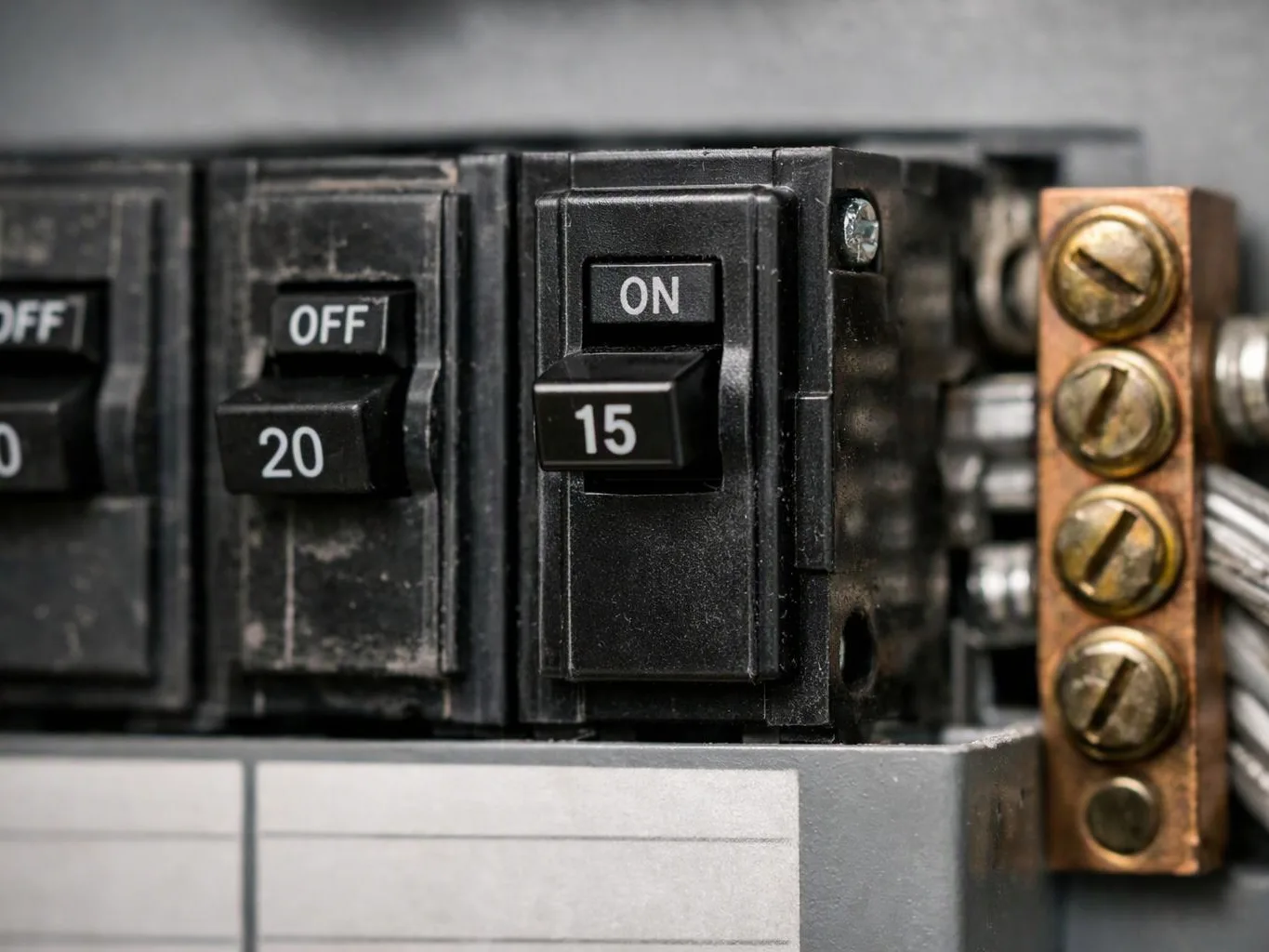
Our team checks whether the symptoms follow one circuit, several circuits, or the incoming electrical service. We also inspect the electrical panel for loose connections, heat damage, and breaker problems.
Repeated whole-house flicker should not be treated as a simple bulb problem. Electrical Troubleshooting can show whether the next step is panel repair, wiring repair, or an electrical service inspection.
How Can You Reduce the Risk of Flickering Lights?
Routine care can reduce common lighting problems, but prevention cannot correct hidden wiring damage. We can inspect recurring symptoms before they create a larger electrical safety concern.
When Should You Stop Using the Circuit?
Stop using the affected light or circuit when flickering occurs with heat, smoke, sparks, burning odors, buzzing, or signs of electrical damage. Electric shock, a hot outlet, or a hot switch also requires immediate caution.
Turn off the circuit breaker only if you can do so safely without touching damaged parts. Do not remove covers, handle exposed wires, or keep resetting a tripped breaker while the problem continues.
Toledo Electrician can assess the circuit, electrical panel, and wiring connection to locate the unsafe condition. If smoke or fire is present, leave the area and contact emergency services before arranging electrical work.
How Toledo Electrician Diagnoses Flickering Lights
Our Electrical Troubleshooting process follows the symptom from the light fixture to the electrical panel and connected wiring. We explain the condition we find and the repair needed before work begins.
The cost depends on the location of the fault, the condition of the electrical parts, and whether the repair involves one circuit or broader wiring. Our estimate covers the observed problem, recommended work, and related materials needed for the repair.
Which Electrical Service Fits the Problem?
The right service depends on where the flickering begins and how far the electrical fault extends. We match the repair to the evidence found during testing and inspection.
| Service | When it fits | What we check |
|---|---|---|
| Electrical Troubleshooting | The cause is not clear or the flicker is intermittent. | Circuit behavior, fixture connections, switches, outlets, and wiring. |
| Electrical Panel Repair | Symptoms involve breakers, panel connections, or several circuits. | Breakers, terminals, heat signs, and circuit connections. |
| Whole-House Rewiring | Damaged or outdated wiring affects broader parts of the property. | Wiring condition, affected circuits, and safe replacement needs. |
| Electrical Inspection | The source is uncertain or flickering occurs in multiple rooms. | The electrical system, panel, circuits, fixtures, and visible connections. |
Flickering lights are a useful warning that the electrical system needs attention. We can help determine whether the issue is limited to a bulb or fixture or requires broader repair.
Questions About Flickering or Dimming Lights
Can a bad light bulb cause flickering?
Yes, a bad light bulb can cause flickering when the problem stays limited to one fixture. Toledo Electrician checks the bulb, socket, fixture, and circuit when replacing the bulb does not solve the symptom.
Why do lights flicker when an appliance turns on?
Lights can flicker when an appliance turns on because the appliance changes the load on the electrical circuit. We check for circuit overload, voltage fluctuation, loose connections, and panel concerns.
Can flickering lights cause an electrical fire?
Yes, flickering lights can signal a loose connection, damaged wiring, overheating fixture, or overloaded circuit that creates a fire risk. Stop using the affected circuit when flickering occurs with heat, smoke, sparks, or a burning smell.
Why are LED lights flickering after installation?
LED lights may flicker after installation because of an incompatible dimmer, incorrect bulb type, loose connection, or fixture problem. We check compatibility, connections, and circuit conditions to identify the cause.
Flickering or dimming lights deserve attention when the symptom repeats, affects multiple rooms, or appears with heat, buzzing, sparks, or a burning smell. Contact Toledo Electrician for an inspection and an exact repair estimate.
Get a Free Estimate