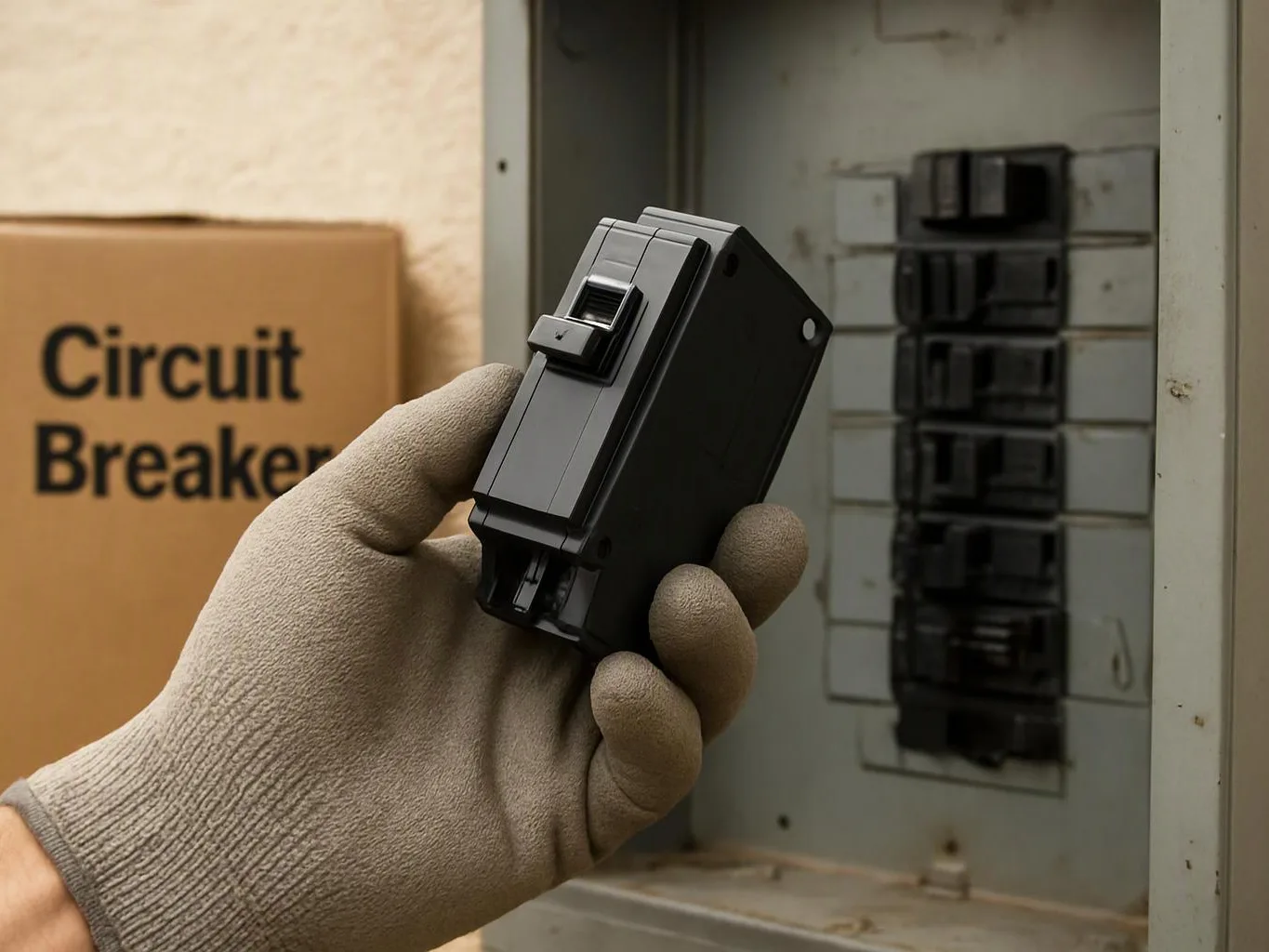
Why Does My Circuit Breaker Keep Tripping?
A circuit breaker keeps tripping when it senses unsafe electrical current. Common causes include an overload, short circuit, ground fault, bad wiring, or a failing part. A breaker may also trip because of a faulty appliance, moisture, or wear. If it trips right after reset, stop trying to reset it. Unplug appliances if it’s safe. Stop using the circuit if it feels hot, smells burnt, sparks, or won’t reset. An electrician can find the cause and recommend repair, replacement, or a dedicated circuit.
Get a Free EstimateWhy Does a Circuit Breaker Keep Tripping?
A circuit breaker keeps tripping because it senses unsafe electrical current. An overload, short circuit, ground fault, bad wiring, faulty appliance, or worn breaker may cause it. Repeated trips are a safety warning. Don’t bypass the breaker before finding the cause.
A breaker is a safety device inside your electrical panel. It watches the current in one circuit. It shuts off power when the current gets too high. This helps protect wires, outlets, appliances, and building materials from heat and fire.
An overloaded circuit has more demand than it can safely handle. A kitchen circuit may trip when a microwave, toaster, coffee maker, and portable oven run together. Laundry machines, space heaters, hair dryers, tools, and HVAC equipment can cause the same problem.
A short circuit creates a fast path between wires. It can cause a large surge of current. The breaker may trip as soon as you turn on a device. A ground fault sends current along the wrong path to the ground. Moisture can raise this risk in bathrooms, garages, laundry rooms, and outdoor outlets.
The timing can offer a useful clue. A trip after several minutes may point to heat or an overload. A trip when a device starts may point to a short, ground fault, or bad part. Random trips may involve loose wires, damaged insulation, hidden loads, or a worn breaker.
We separate appliance problems from wiring problems by testing each load. A breaker that keeps shutting off needs attention. Don’t install a larger breaker to stop the trips. The current wiring may not safely handle more power.

Common Causes of Repeated Breaker Trips
Most repeated trips have a few common causes. The trip location and timing can offer clues. Testing is still needed before repairs begin.
- Overloaded circuit: Too many high-power devices run on one branch circuit.
- Short circuit: Damaged insulation, a bad switch, or crossed wires create a sudden surge.
- Ground fault: Current leaks to metal, plumbing, an appliance, or a wet surface.
- Faulty appliance: A refrigerator, washer, dryer, disposal, tool, heater, or air conditioner may have an internal fault.
- Loose electrical connection: A loose terminal can cause heat, sparks, flickering, and random trips.
Kitchens and laundry rooms often have many high-power devices. Bathrooms and garages also have moisture risks. HVAC equipment may use a double-pole circuit breaker. It may trip because of a compressor, fan motor, disconnect, or supply wire. That’s why a simple reset may not solve the problem.
Why Does My Breaker Trip Immediately After Reset?
A breaker that trips right after reset usually detects an active fault. The cause may be a short circuit, ground fault, damaged wire, failed appliance, or bad breaker. Don’t force the handle on. Disconnect loads if it’s safe and arrange electrical testing.
To reset a breaker safely, move the handle fully off. Then move it to on once. If it trips again, stop. A short or ground fault may still be present. Repeated attempts can cause more damage or heat.
Some safety devices work in special ways. A ground-fault circuit interrupter is called.GFCI outlet or GFCI breaker. It trips when it senses leaking current. GFCI protection is common in bathrooms, kitchens, garages, basements, laundry rooms, and outdoor areas. A device, wet outlet, or nearby receptacle may cause the trip.
An arc-fault circuit interrupter is called an AFCI breaker. It watches for signs of dangerous arcing. AFCI protection is common in living areas and bedrooms. Local rules may change where it’s needed. A damaged cord, loose wire, nail, or bad device may cause an AFCI trip.
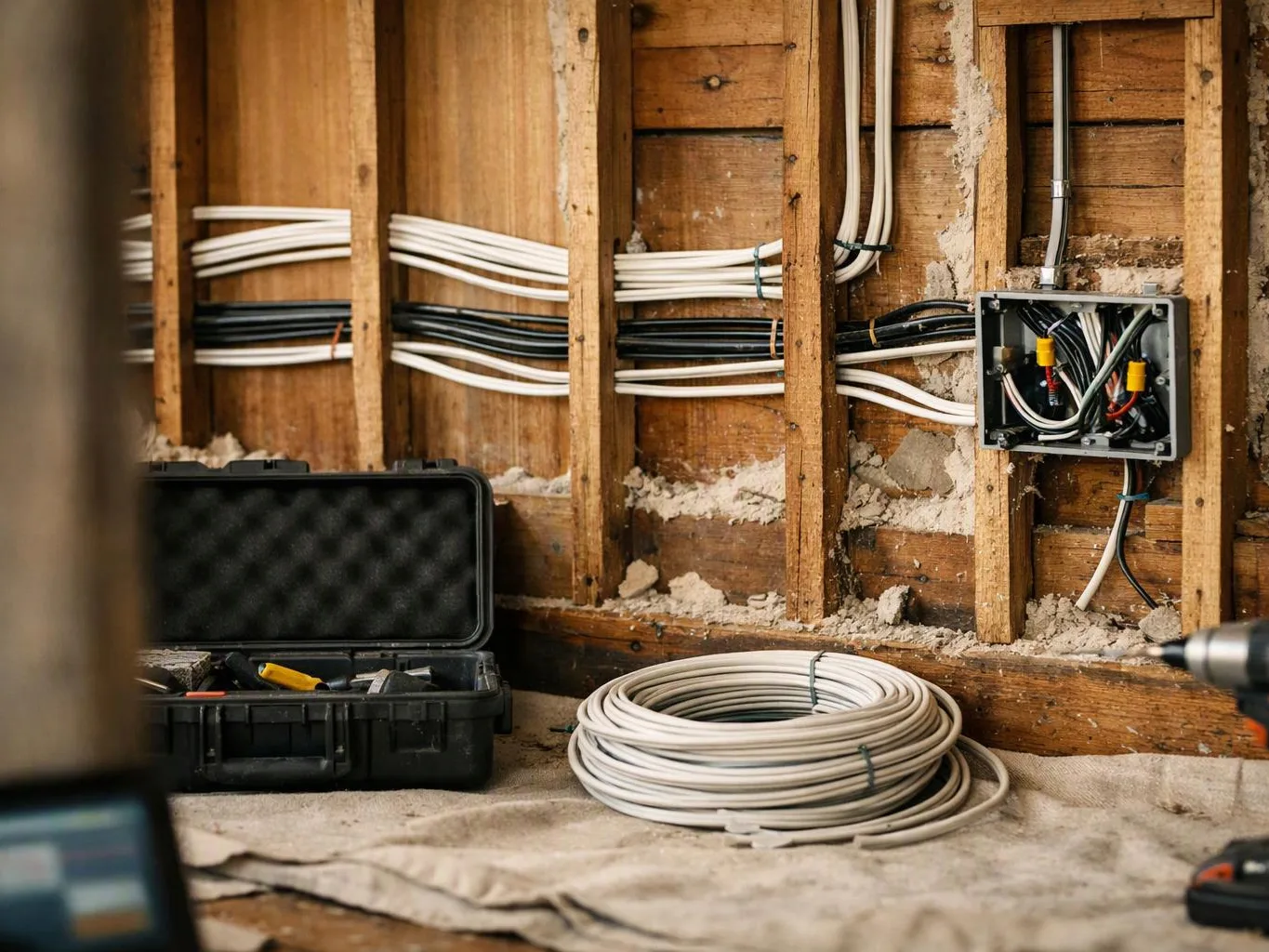
Before opening the panel, unplug easy-to-reach appliances and lamps if it’s safe. Don’t remove the panel cover. Never touch exposed wires. If the breaker still trips, the fault may be in the wiring, a built-in appliance, the panel, or the breaker.
Our team tests the circuit and separates its loads. We check voltage, wire condition, current use, and safety devices. Circuit Breaker Repair in Toledo may involve fixing a wire or connection. It may not require a new breaker. Call a 24 Hour Electrician for smoke, heat, sparks, or a burning smell. Keep people away from the panel.
What Are the Warning Signs of an Electrical Problem?
Warning signs include burning smells, hot outlets, dark marks, buzzing, flickering lights, sparks, smoke, shocks, and repeated trips. These signs may point to heat, arcing, damaged insulation, or a fault. Turn off the circuit if it’s safe. Then seek urgent electrical help.
Don’t treat these signs as normal. A tripping breaker can be dangerous with heat, sparks, water, or damaged wires. Leave the building if there’s smoke or fire. Call emergency services. Don’t approach a sparking panel or wet electrical device.
The location can also help. A bathroom issue may involve moisture or GFCI protection. A garage issue may involve tools, cords, or damp outlets. A kitchen issue may involve several heavy loads. HVAC flickering may need equipment and supply testing.
What Causes a Breaker to Trip with Nothing Plugged In?
A breaker can trip with nothing plugged in because the circuit may still power lights, outlets, or built-in appliances. Damaged wires, moisture, a neutral-to-ground fault, or a bad breaker can also cause trips. This problem needs testing. Don’t keep resetting the breaker.
“Nothing plugged in” doesn’t always mean there’s no load. Ceiling lights, fans, disposals, dishwashers, furnaces, boilers, garage-door openers, water heaters, and HVAC equipment may stay connected. A hidden load may also use a hard-to-find outlet.
Damaged wires can cause the same problem. Rodents, screws, nails, heat, movement, rust, and old repairs can damage insulation. Current may leak between wires or into metal. A neutral-to-ground fault may also trip a safety device.
Moisture often affects bathrooms, laundry rooms, kitchens, garages, basements, crawl spaces, and outdoor equipment. Water may enter an outlet, light, junction box, conduit, or appliance. Never reset a breaker while standing in water. Keep water away from electrical equipment.
An electrician can separate parts of the circuit and test them. We check built-in appliances, lights, outlets, and cable paths. If the wiring tests well, a worn breaker becomes more likely. The panel and breaker must still match the circuit.
Most visits include checks at the panel, devices, outlets, and easy-to-reach junctions. Troubleshooting may take one hour or several. The time depends on where the fault is located. Safe testing matters more than repeated resets.
Does a Tripping Breaker Need Repair or Replacement?
A tripping breaker may need wiring repair, breaker replacement, appliance repair, or a dedicated circuit. The right choice depends on the test results. An electrician should check the circuit before choosing a repair.
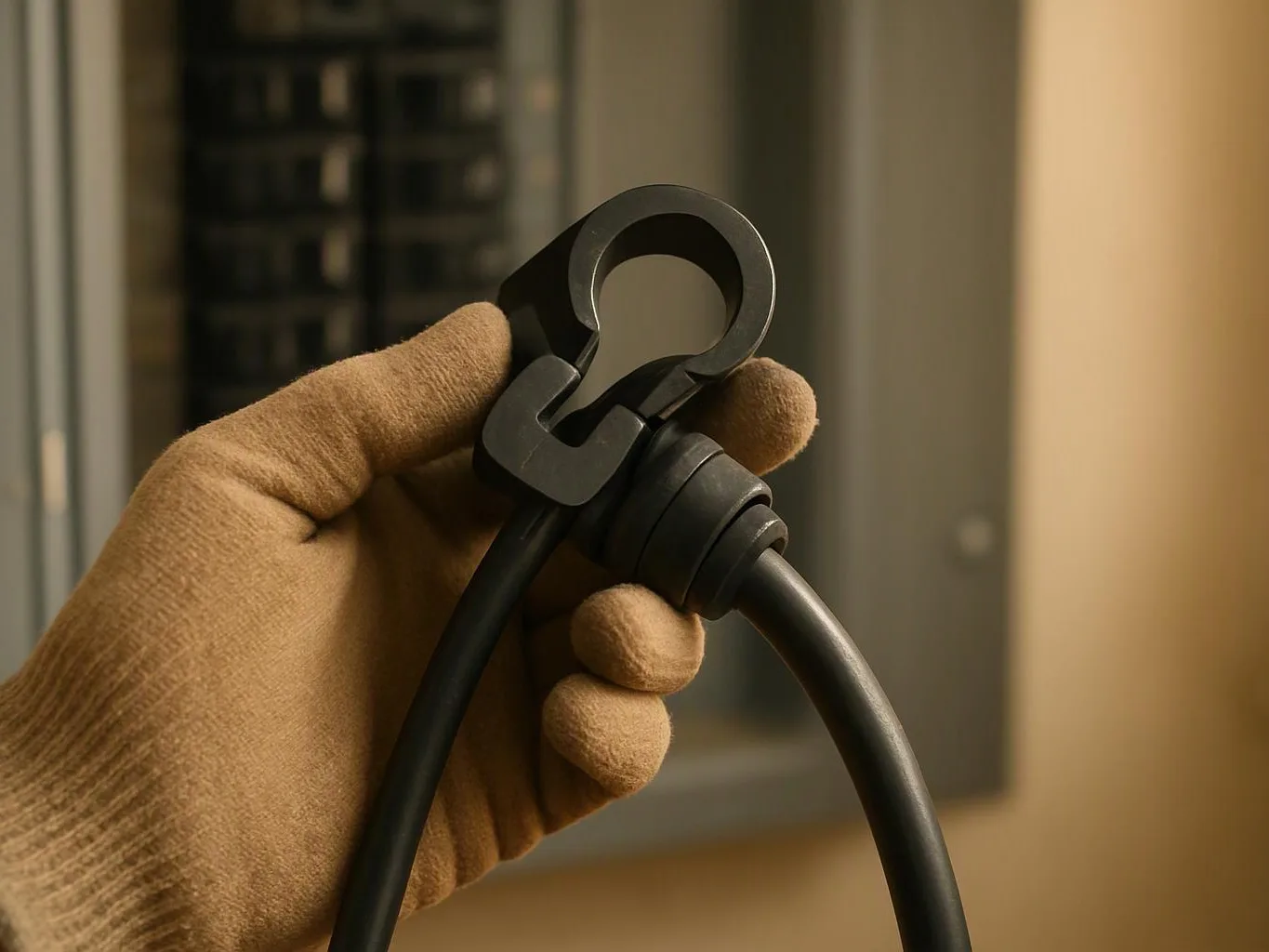
The goal isn’t just to keep the handle on. We find out if the problem comes from the appliance, wiring, panel, or safety device. A replacement breaker must match the panel, rating, wire size, and required protection. The wrong breaker can create a serious hazard.
| Observed condition | Likely direction | Why professional testing matters |
|---|---|---|
| Trips only with one appliance | Appliance repair or replacement | Testing can separate an appliance fault from a weak circuit. |
| Trips when several devices run | Load management or dedicated circuit | Measured demand shows if the circuit is overloaded. |
| Trips with devices disconnected | Wiring, hidden load, moisture, or breaker diagnosis | Isolation testing can find hidden faults. |
| Loose, hot, noisy, or damaged breaker | Circuit Breaker Replacement | The panel and new breaker must work together. |
| High-demand equipment lacks capacity | Dedicated circuit installation | The panel, wires, safety device, and load need review. |
Repair may include new wiring, a safe connection, or a corrected outlet. It may also include moisture repair or appliance service. Replacement may be safer when the breaker has heat damage or won’t reset. Don’t change the breaker rating without checking the full circuit.
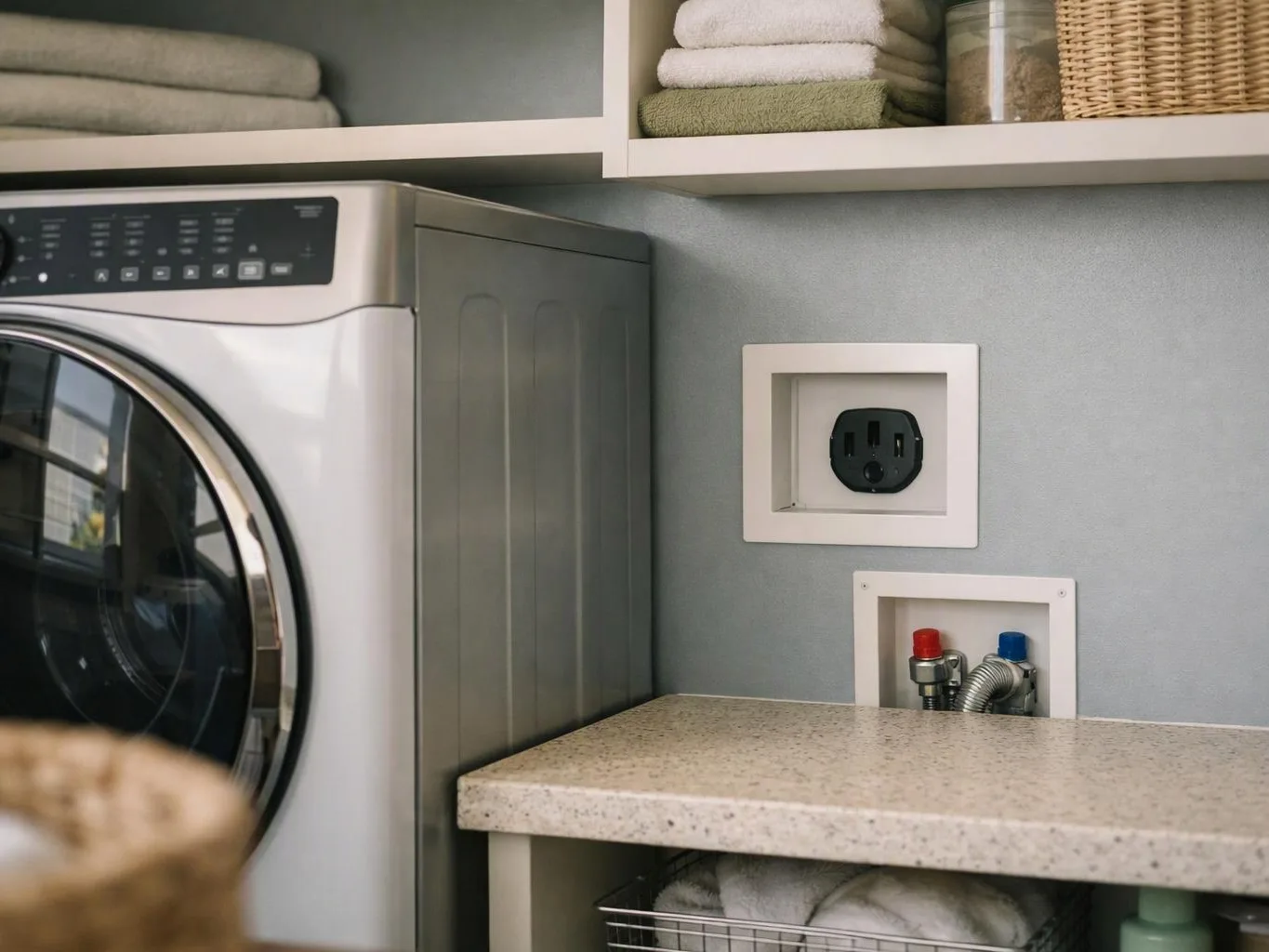
A dedicated circuit is a separate circuit for one high-power appliance. It may suit a dryer, range, water heater, heat pump, air conditioner, or workshop tool. The panel needs enough space and capacity. The wires must also be the right size.
How Can I Troubleshoot a Tripping Breaker Safely?
Start by stopping use of the circuit. Unplug easy-to-reach appliances. Reset the breaker once only if the area is dry and safe. Never remove the panel cover or touch exposed wires.
Home checks should stay limited to safe, visible steps. Don’t remove outlet covers. Don’t test live wires. Don’t handle wet equipment. If you’re unsure which breaker serves the area, leave it off and request help.
Professional testing may include current checks, voltage checks, and wire tests. It may also include insulation, polarity, and safety-device checks. The electrician may test the circuit in sections. This method is safer than changing parts based on symptoms.
Contact our team through our contact page when a trip continues or the cause is unclear. We can help find the next step. It may involve Circuit Breaker Repair, wiring work, appliance service, a new safety device, or a dedicated circuit.
How Can I Prevent a Circuit Breaker from Tripping?
You can reduce trips by spreading out high-power devices. Avoid overloaded power strips. Replace damaged cords. Keep electrical equipment dry. Use dedicated circuits for large appliances. Don’t install a larger breaker unless an electrician checks the wires and panel.
Start with better load control. Avoid running several heaters or cooking devices on one circuit. Use power strips for low-power electronics only. Don’t use them for space heaters, major appliances, or high-power tools.
Watch for changes after adding equipment or remodeling. A new freezer, washer, heater, appliance, or HVAC system can raise the load. If trips start after that change, an electrician can check the circuit before moving equipment.
Prevention doesn’t mean resetting the breaker often. It means finding and fixing the cause. A breaker shuts off because it’s responding to a problem. Removing that protection can make the home less safe.
Questions About 24 Hour Electrician
Can a Bad Appliance Cause a Circuit Breaker to Keep Tripping?
Yes. A faulty appliance may have a bad cord, motor, heater, compressor, or internal short. Unplug it if safe. Don’t use it again until it’s repaired or tested.
Can a Circuit Breaker Trip from Overheating?
Yes. A heavy load, loose connection, poor airflow, damaged wire, or worn breaker can create heat. A trip after several minutes may show heat buildup. Have warm outlets, switches, or panels inspected.
Why Does My Breaker Trip When I Turn on a Light?
The light, switch, wiring, or AFCI breaker may have a short, ground fault, loose connection, or bad part. Turn off the circuit.
Should I Replace a Circuit Breaker That Keeps Tripping?
Not always. The cause may be an overload, appliance, short, ground fault, or damaged wire. Replace the breaker only when testing shows it’s worn, damaged, bad, or incompatible. Fix the main cause first.
Related Resources
How Much Does a 24-Hour Electrician Cost in Toledo?
24 hour electrician cost Toledo OH
What It CostsHow Much Does Level 2 EV Charger Installation Cost in Toledo?
Level 2 EV charger installation cost Toledo
How It WorksWhat Happens During an Emergency Electrical Troubleshooting Visit?
emergency electrical troubleshooting process Toledo
How It WorksPower Outage Repair: When to Call an Electrician
power outage repair electrician Toledo