What electrical problems commonly require code correction?
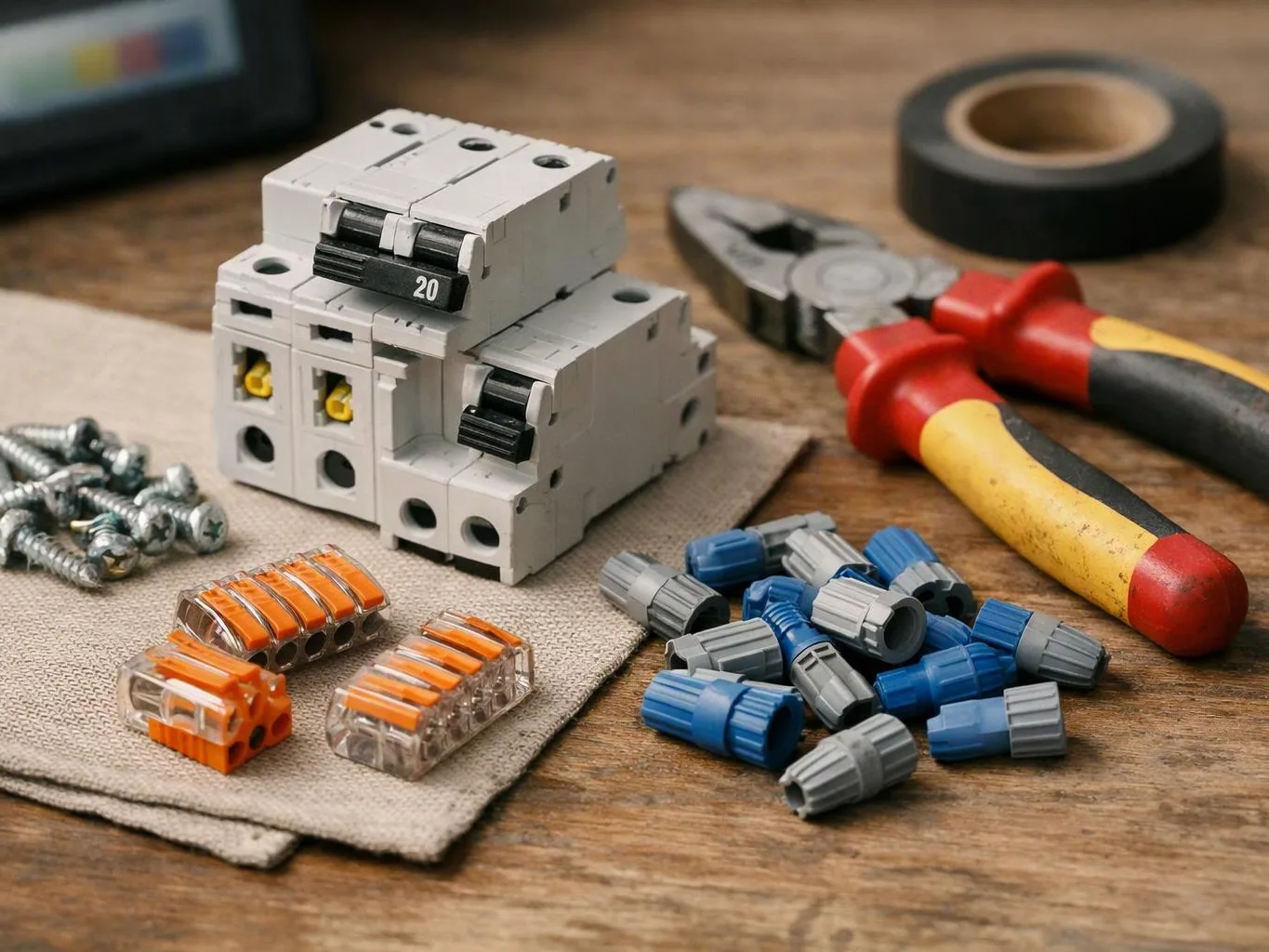
Open junctions commonly require code correction, along with missing grounds, improper splices, overloaded panels, and exposed conductors. We inspect the affected circuit and related connections before choosing the repair scope. A burning smell, buzzing panel, sparking outlet, or repeated breaker trip needs prompt attention because the condition could create a fire risk.
Which part of the property decides the scope of electrical code correction?
The affected circuit, panel, junction box, and connected equipment decide the correction scope. We trace the wiring from the breaker and inspect each related connection. A single damaged splice may need focused work, while poor grounding or limited panel capacity can call for a wider correction. We explain that distinction before planned work begins.
Which material changes how long electrical code correction takes?
The wiring material and its condition can change the work involved. Aluminum wiring, damaged insulation, brittle conductors, and concealed connections need close inspection before correction. We check conductor type, access, splice condition, and breaker compatibility. Those findings determine whether the job stays focused or needs a separate rewiring scope.
How does an electrical code correction visit move from the first call to the last step?
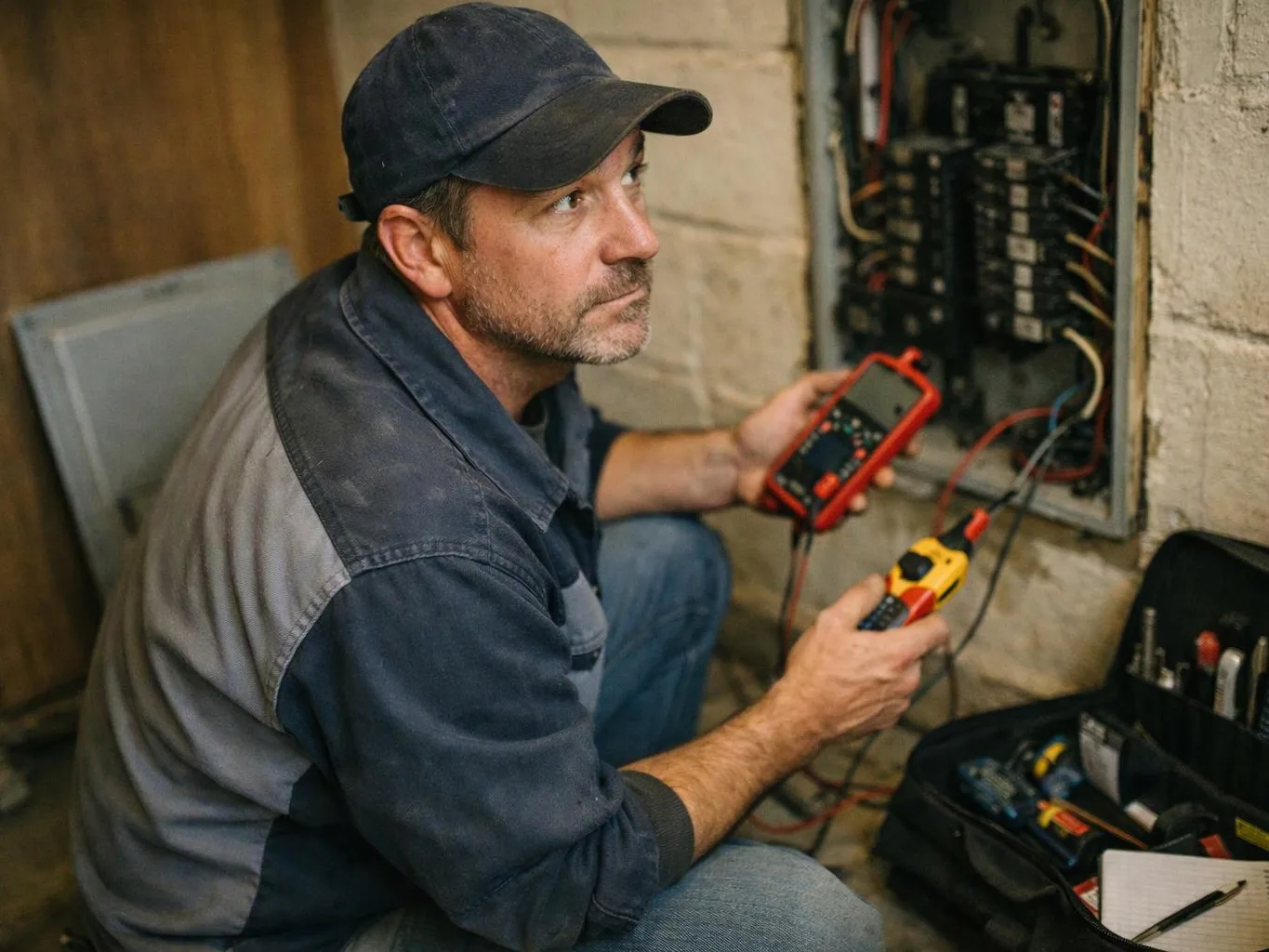
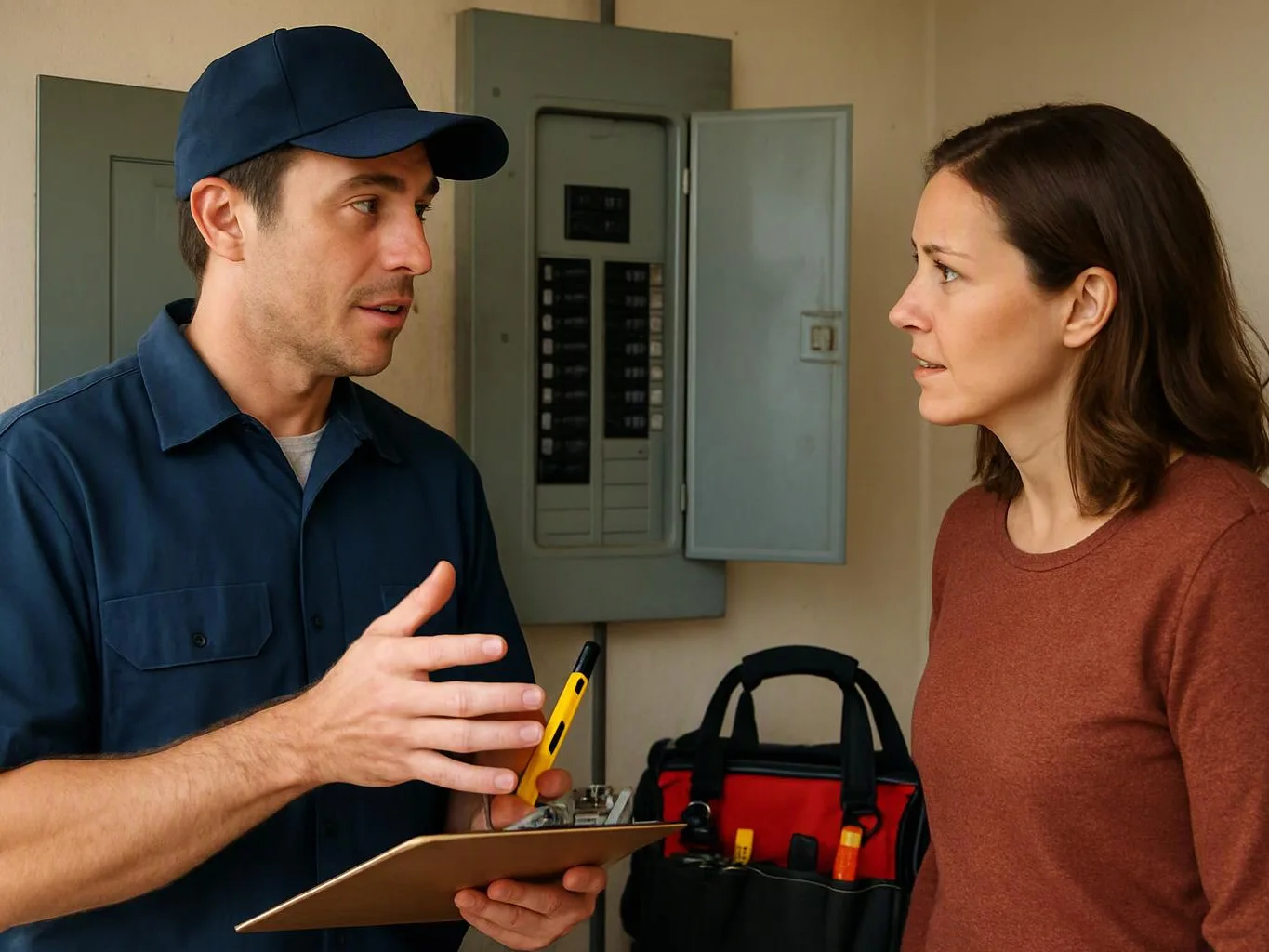
The visit moves from defect review to circuit tracing, correction, and testing. We inspect the reported area, identify the affected breaker and connections, explain the scope, and isolate unsafe wiring before work. Testing and verification follow the correction, and we describe any separate work that the property still needs.
When should I request emergency electrical service for a code issue?
Emergency electrical service fits a code issue with a burning smell, sparking outlet, buzzing panel, exposed energized conductor, or repeated breaker trips. Turn off the affected circuit if you can do so safely, and keep people away from damaged wiring. We handle urgent electrical concerns and explain the safest next step.
Why might a code correction need a panel review?
A panel review may be needed when breakers trip, circuits are overloaded, or added equipment exceeds available capacity. We check breaker sizing, conductor size, panel condition, grounding, and connected loads. The review helps separate a single circuit defect from a panel upgrade or service entrance issue.
What should I share before requesting a wiring correction assessment?
Photos, the property type, the affected room, recent inspection notes, and the symptoms help us prepare for the assessment. Include any breaker labels and note whether the issue involves flickering lights, dead outlets, heat, buzzing, or sparking. Do not remove covers or handle exposed conductors before we review the hazard.