How can electrical faults be located safely?
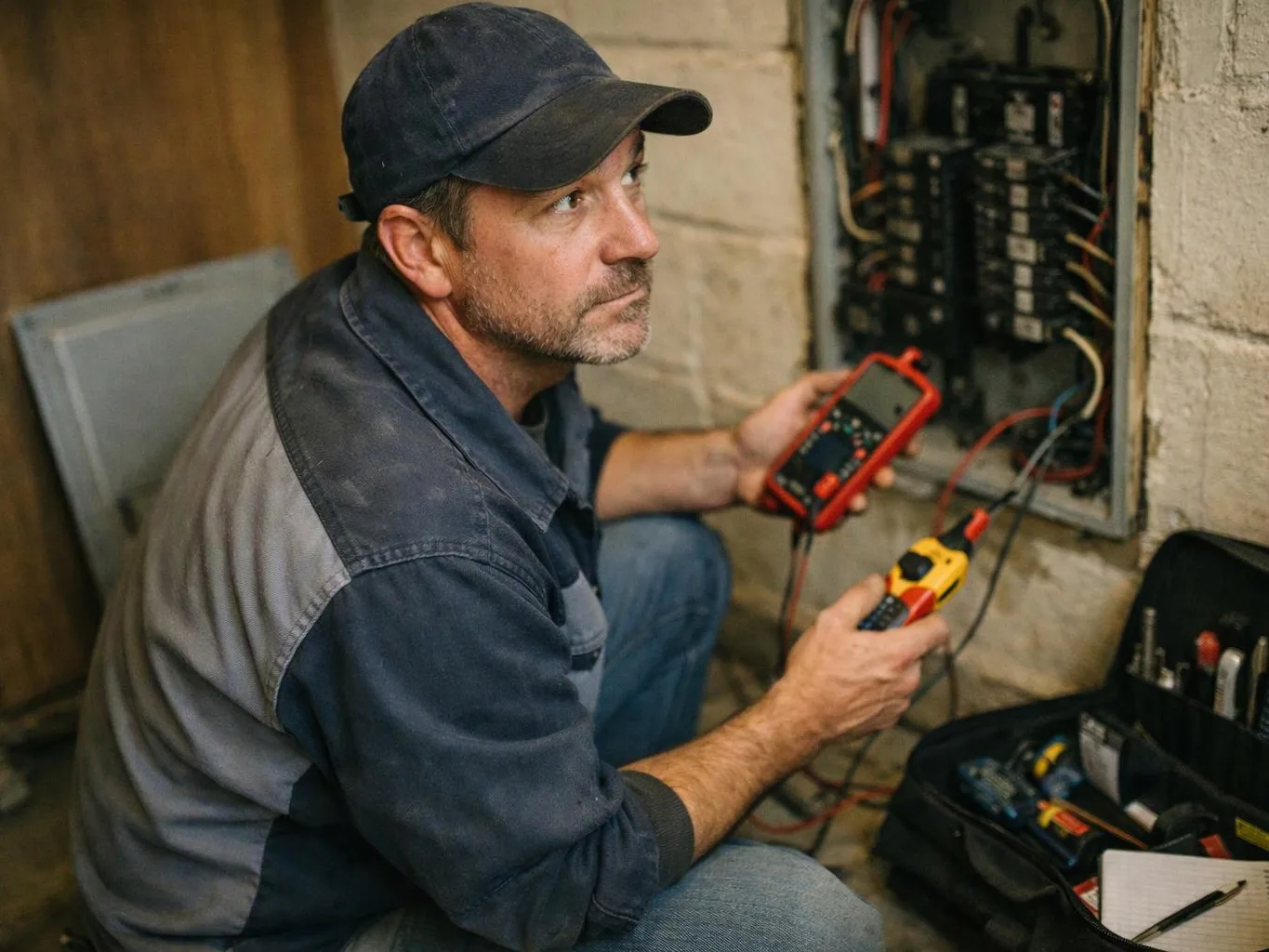
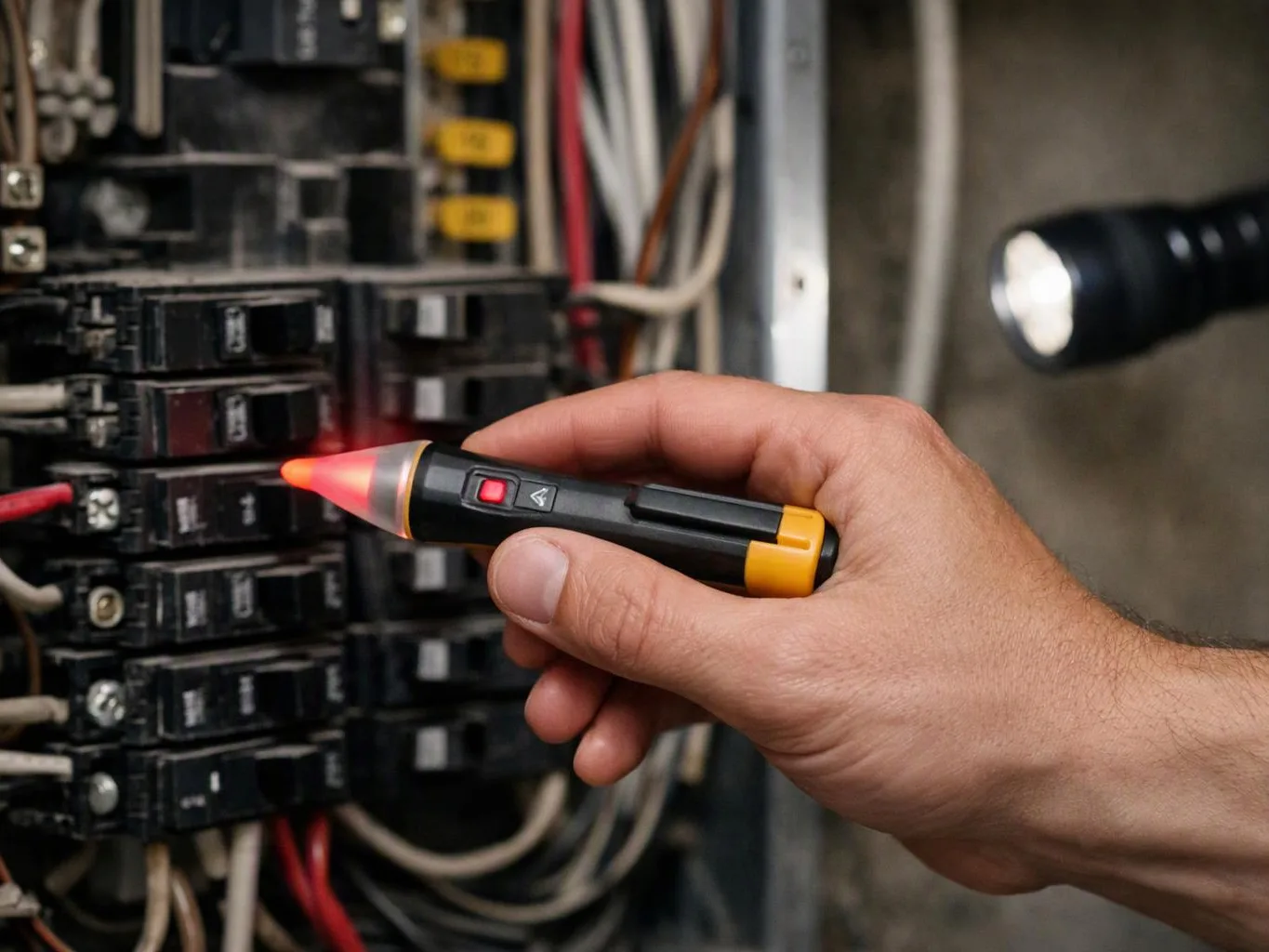
Toledo Electrician locates faults safely by starting with load measurement, then isolating the affected circuit before testing. We inspect the panel and visible wiring first. Circuit tracing follows the path to outlets, switches, fixtures, or equipment. Insulation testing and breaker testing help confirm the fault without guessing at the repair.
What does the crew look at first during fault diagnosis?
The electrical panel and reported symptom receive the first checks. We look for tripped or damaged breakers, heat marks, loose connections, and signs of arcing. We also ask which outlets, lights, or appliances lost power. That information helps us choose the safest testing path before we open or alter any circuit.
What should be checked before electrical troubleshooting is scheduled?
The affected area, panel access, recent electrical changes, and warning signs should be noted before scheduling. Record which devices lose power and whether the issue returns after a reset. Do not handle sparking outlets or damaged wiring. Photos of the panel and affected outlet can help us understand the request, but they do not replace an on-site safety check.
Which warning signs make an electrical fault urgent?
A burning smell, buzzing panel, sparking outlet, warm switch plate, or repeated breaker trip makes the fault urgent. Shut off the affected circuit if you can do so safely and keep people away from damaged equipment. Emergency electrical service is available for urgent electrical problems. We isolate the unsafe area and test before discussing repair.
Why do some dead outlets need circuit tracing?
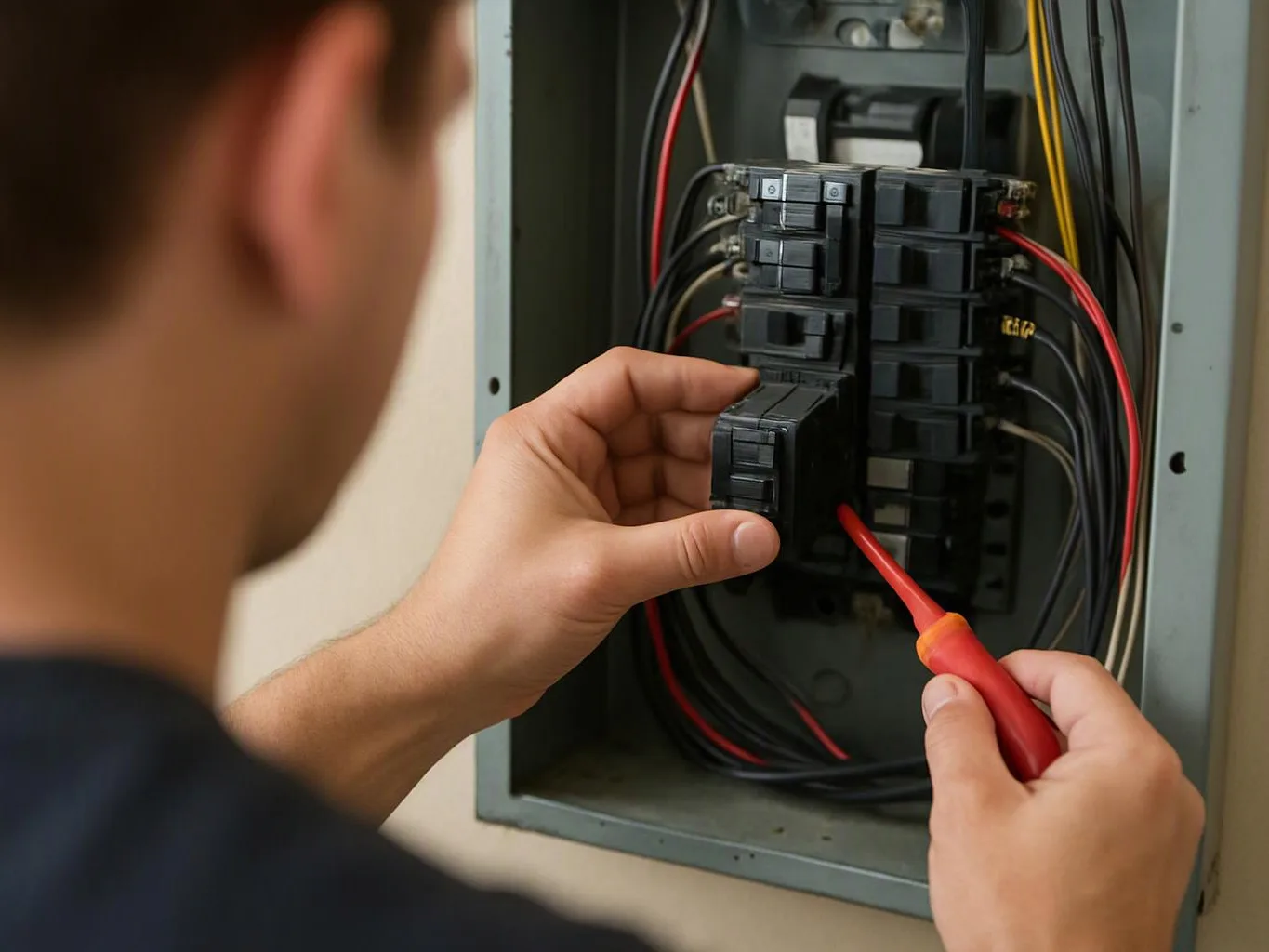
Dead outlets need circuit tracing when the panel does not show a clear trip or the problem affects more than one point. A loose connection, failed upstream outlet, damaged wire, or faulty breaker can interrupt power downstream. We trace the circuit, test connections, and identify the repair point before replacing parts.
What can change the cost of a fault diagnosis?
The fault location, panel access, circuit length, wiring condition, and testing required change the cost. A simple outlet fault follows a different path from damaged wiring or a panel problem. We explain the findings and provide a free estimate for the proposed work before planned repairs or upgrades proceed.
When does troubleshooting lead to a panel upgrade?
Troubleshooting leads to a panel upgrade when testing shows damaged equipment, limited capacity, or a panel that cannot support the property's electrical demand safely. We review the panel, circuit load, wiring, and planned equipment before recommending that work. A focused breaker or outlet repair may still fit when the panel itself is sound.