What should I do before electrical repair arrives?
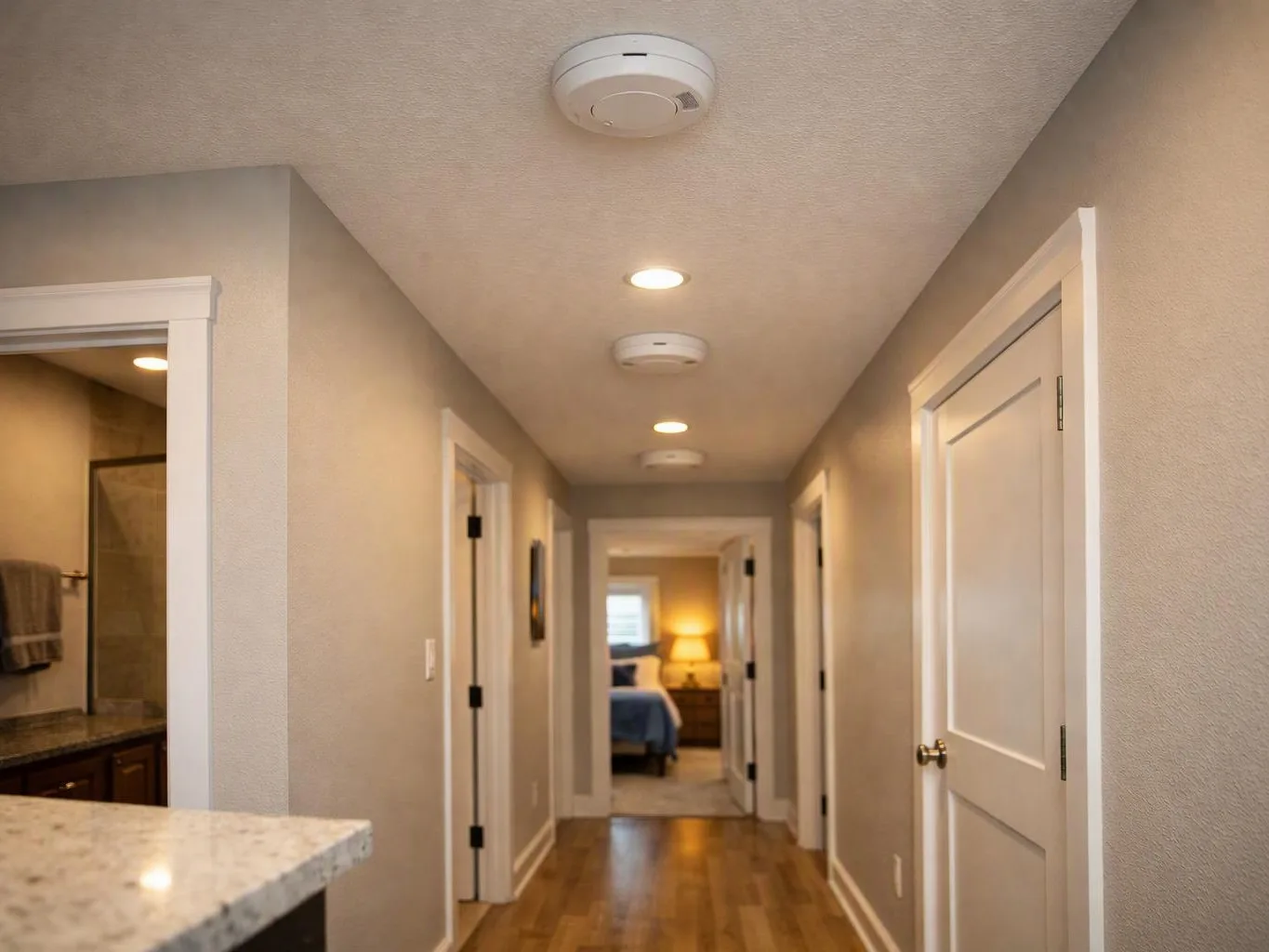
Smoke monitoring comes first, so leave the area if you see smoke or smell burning. Toledo Electrician recommends these steps before repair:
- Turn off the main shutoff only if you can reach it safely.
- Unplug accessible appliances without touching hot, wet, or damaged parts.
- Keep away from sparking outlets, buzzing panels, and exposed wires.
- Avoid water near electrical equipment.
Customers should not remove panel covers or keep resetting a tripped breaker.
Who is a good fit for emergency electrical repair?
Toledo Electrician provides emergency electrical repair for homes and businesses with unsafe or failed power conditions. The service fits burning smells, sparking outlets, dead outlets, faulty wiring, surges, and repeated breaker trips. Routine lighting installation or a planned ceiling fan project needs scheduled electrical work when no urgent fault exists. We explain that distinction after checking the reported symptom.
What happens at each stage of an emergency electrical repair?
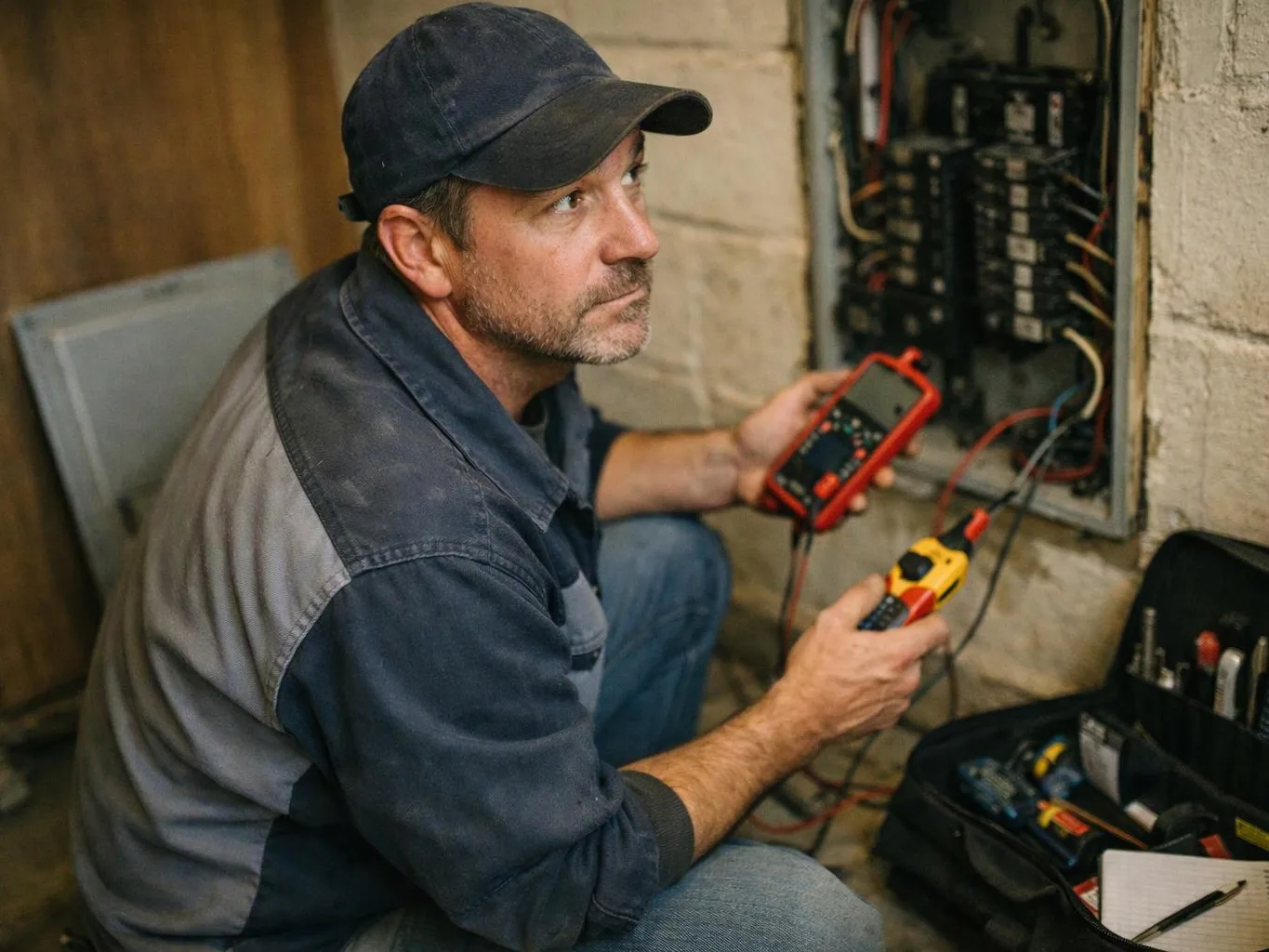
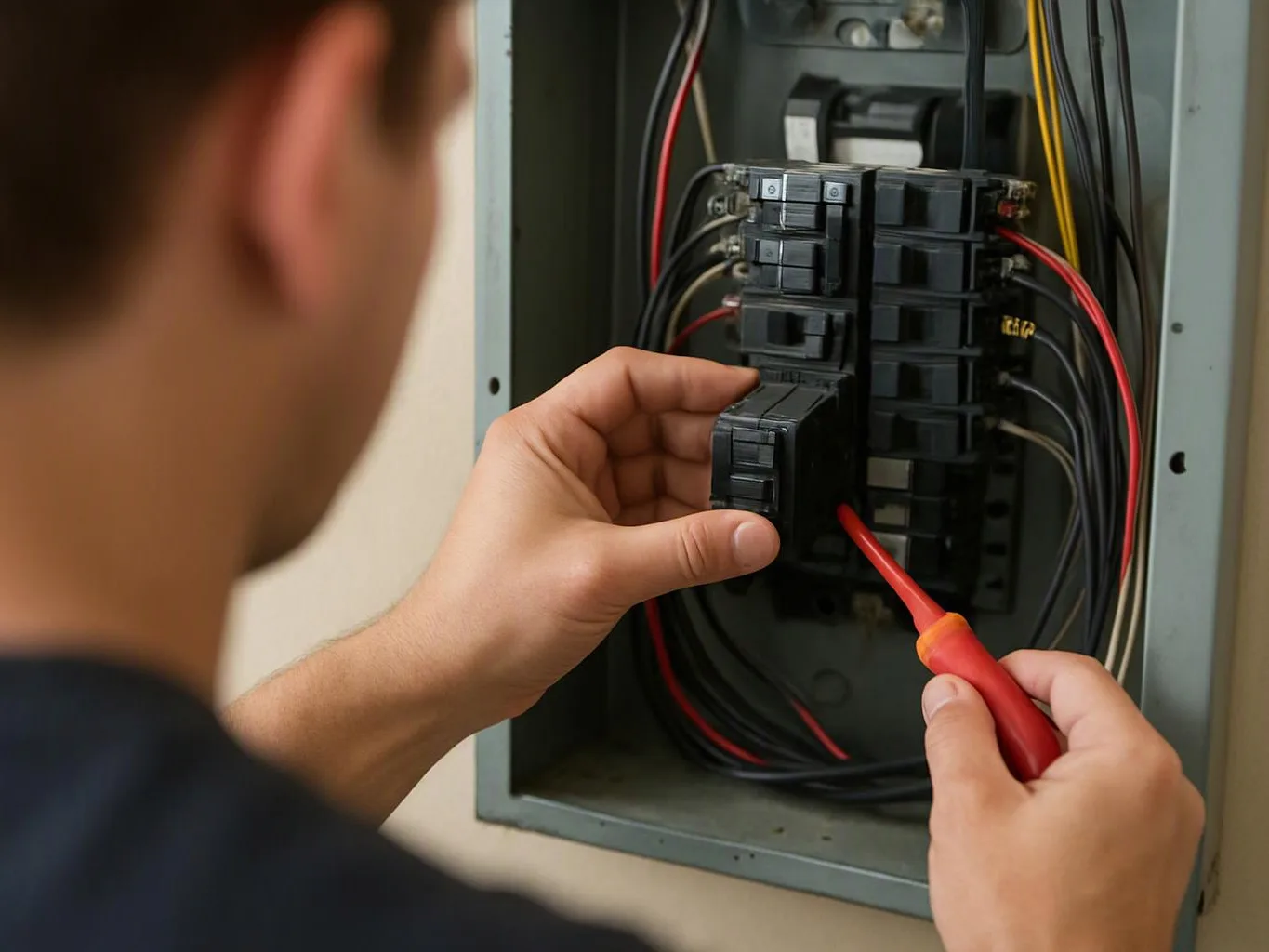
The repair starts with symptom review, safety isolation, circuit tracing, repair planning, and testing. Customers share what failed and any smoke, heat, sparks, or noise they noticed. Our team checks the panel, affected circuit, outlets, switches, and visible wiring. We then explain the repair scope, complete supported work, and verify the repaired circuit.
What does the crew look at first during an electrical emergency?
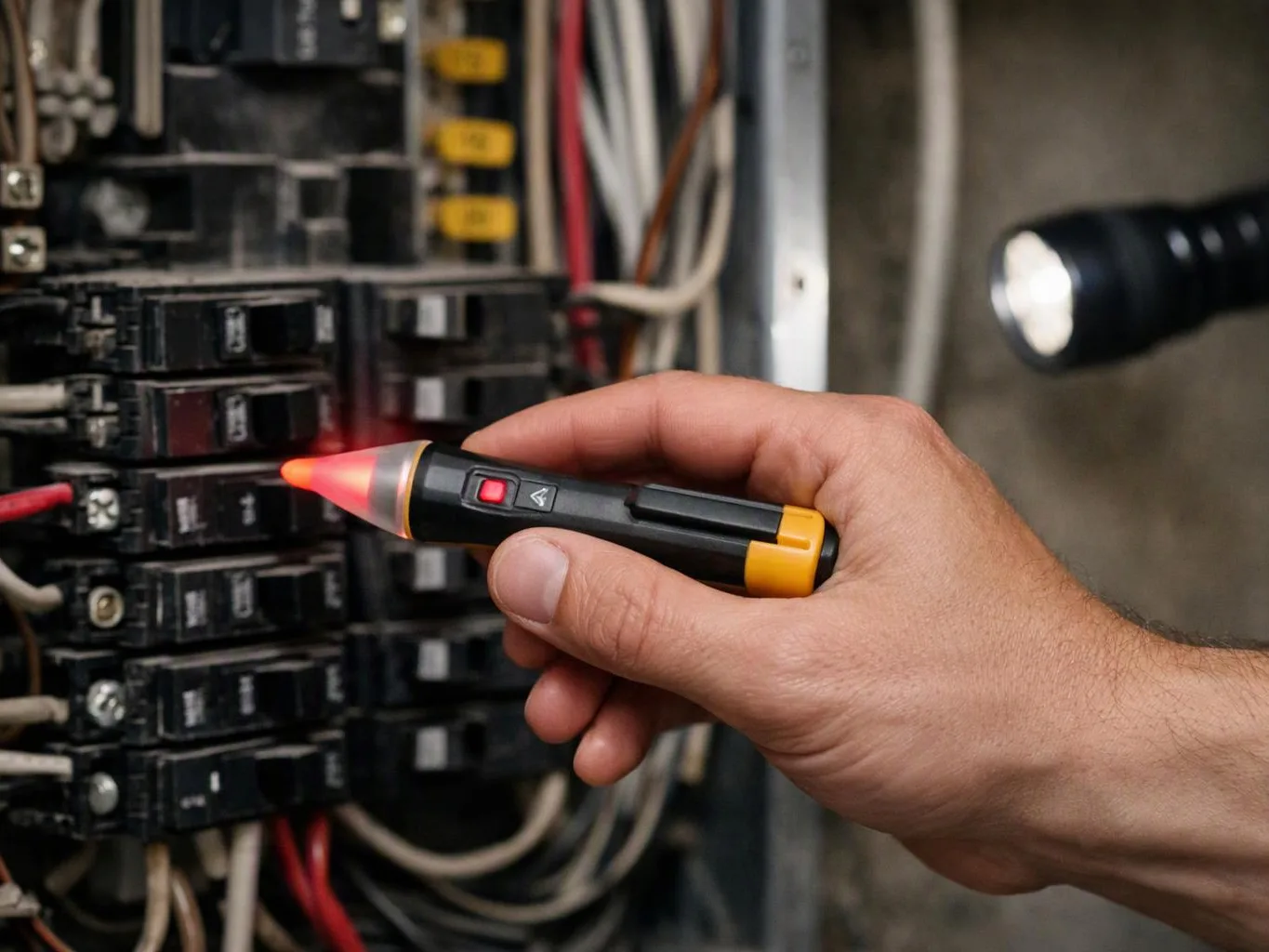
The first check covers immediate hazards, the main panel, and the circuit linked to the reported symptom. We look for heat, smoke, loose connections, damaged insulation, tripped breakers, and signs of overload. Customers should keep the area clear and avoid touching exposed parts. That access lets us isolate power and trace the fault safely.
Which electrical repairs might need a separate estimate?
Panel upgrades, whole-home rewiring, service entrance changes, and broad aluminum wiring remediation may need a separate estimate. Emergency repair first addresses the unsafe or failed condition found during diagnosis. Customers receive a defined scope for larger work, including access needs, parts, circuit changes, and any inspection steps that apply.
When should I stop resetting a tripped breaker?
Stop resetting a breaker when it trips again, feels hot, makes noise, or connects to smoke or a burning odor. Repeated resets can leave an underlying short, overload, or wiring fault unresolved. We inspect the breaker and circuit before recommending repair. Keep appliances unplugged when safe and avoid opening the panel.
Why can one dead outlet point to a larger fault?
A dead outlet can result from a tripped GFCI, loose connection, failed outlet, damaged wire, or upstream circuit fault. We test the outlet and trace its circuit before replacing parts. Customers should avoid using nearby outlets if they feel warm, smell burned, buzz, or show discoloration.