Skip to content

Transfer Switch Installation in Oregon, Ohio

A replacement needs a wider scope than an adjustment to an electrical panel in Oregon. We check the generator connection, utility isolation, and switching controls before work begins.

Licensed & InsuredFree EstimatesWarranty AvailableSame-Day Service

Quick Summary: Transfer Switch Installation in Oregon, Ohio

Transfer Switch Installation in Oregon is provided by Toledo Electrician for homes and businesses connecting backup generators to building power. The work covers utility isolation, automatic switching, and testing across Toledo and nearby Lucas County communities.

  • What we do: Toledo Electrician provides Transfer Switch Installation for Oregon, Ohio homes and commercial properties using backup generator power.
  • What is included: Our work covers generator connections, utility isolation, automatic switching, circuit checks, and testing after installation.
  • What you get: The customer receives a transfer system that connects backup power without feeding generator power into utility lines.

When does a home need transfer switch installation?

A home needs transfer switch installation when a backup generator must power selected circuits or the property during an outage. The switch isolates utility power and controls the generator connection, so the system needs inspection before use.

Transfer Switch Installation for Oregon Generator Systems

This service fits property owners who want backup power without manually moving circuits between utility and generator supply. We inspect the service equipment, generator connection point, grounding path, and circuits that need backup power.

The key decision is whether the existing equipment needs adjustment or replacement. A damaged enclosure, limited capacity, or unsuitable connection point can change the work scope. Our team explains those findings before installation begins.

The service doesn't replace generator maintenance or fuel-system work. It focuses on the electrical connection, safe isolation, switching, and final testing for the property.

  • Confirm which circuits need backup power.
  • Check the service equipment and generator connection point.
  • Review the grounding and bonding arrangement.
  • Test the switch and supported circuits after installation.
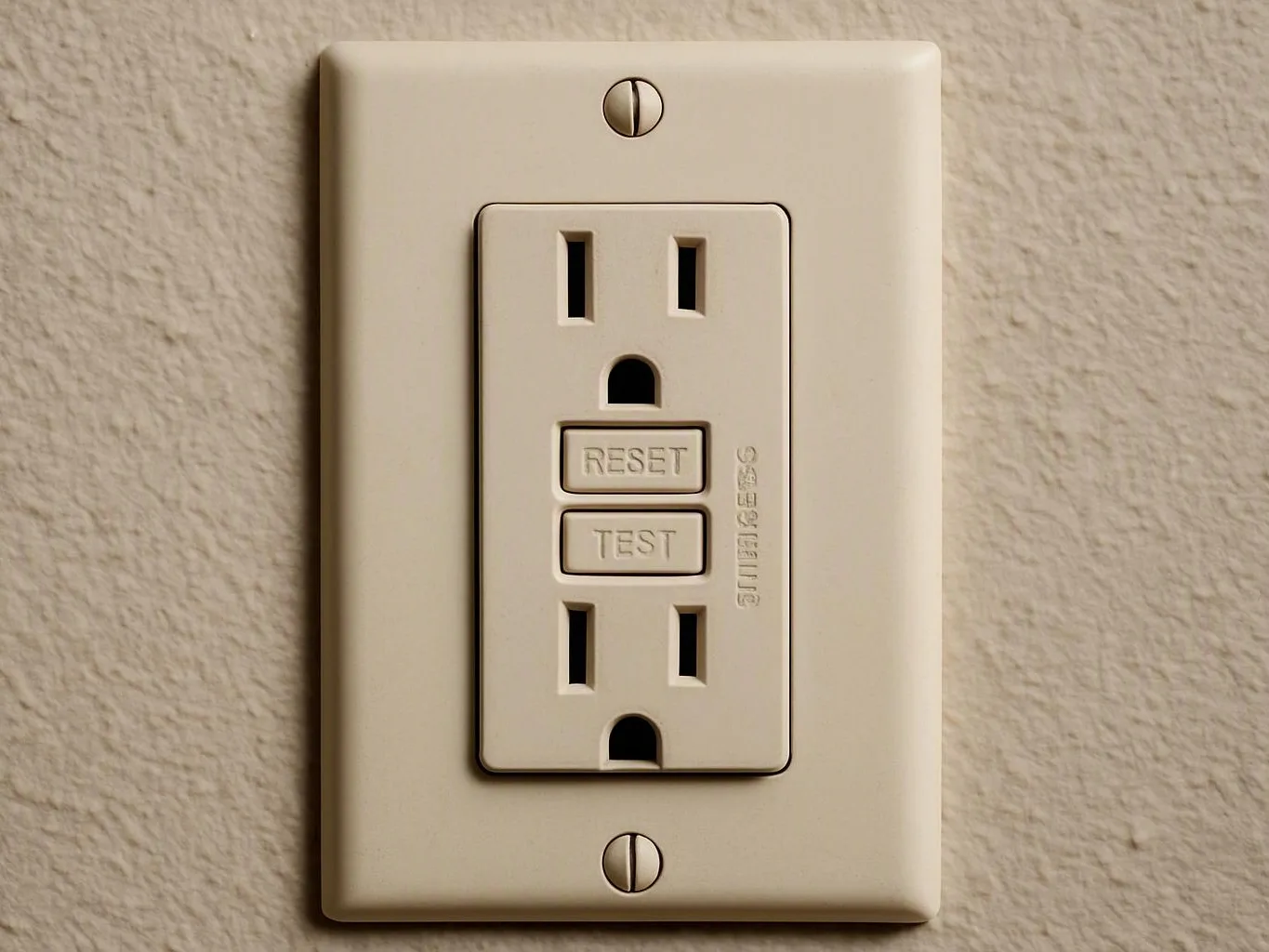
A beige wall outlet with RESET and TEST buttons sits on a textured wall

Service Overview

Transfer switch installation is electrical work that connects a backup generator to selected building circuits and controls the power source.

  • A transfer switch manages generator power, while generator installation focuses on the generator and its fuel or start system.
  • We provide this work for homes and businesses in Oregon and nearby Lucas County communities.

What Proper Generator Switching Changes

The transfer switch separates utility supply from generator supply during operation.

Automatic switching reduces the need to move circuits by hand during an outage.

A planned circuit list helps keep essential loads within the generator system's capacity.

Testing identifies wiring or control issues before the system is needed.

Oregon property owners can request one electrical scope for homes or commercial spaces.

What Transfer Switch Installation Includes

Toledo Electrician provides comprehensive Transfer Switch Installation in Oregon. Here's what you get:

  • We review the generator connection point and the circuits selected for backup power.
  • We inspect utility isolation and the grounding path before connecting switching equipment.
  • We install or adjust the transfer equipment that fits the approved electrical scope.
  • We connect the supported circuits and check conductor terminations.
  • We test automatic switching and confirm that power moves through the intended path.
  • We explain the system operation and any follow-up electrical work the property needs.
Process

How We Complete Generator Transfer Work

1

Inspect the service equipment

We check the service equipment, grounding path, generator connection point, and circuits that need backup power.

2

Set the circuit scope

The selected loads shape the connection plan. We review which circuits should receive generator power and identify any equipment limits.

3

Connect the switching equipment

We connect the transfer equipment to the approved power path and verify conductor terminations before energizing the system.

4

Test the transfer sequence

We test utility isolation, generator connection, automatic switching, and return to utility power.

5

Explain the finished setup

We explain which circuits are supported and identify any separate generator maintenance or electrical work.

How We Approach Generator Switching Work

Start with the electrical load

The selected circuits determine how the transfer equipment should connect. We review the load and service layout before setting the installation scope.

Check isolation before connection

Utility isolation is a safety-critical part of the job. We inspect the connection path and verify the switching arrangement before testing the generator supply.

Know when this is the wrong job

A transfer switch won't repair a failing generator, fuel system, or utility outage outside the property. We identify those limits so the next electrical step is clear.

Adjustment Or Replacement For Generator Switching

The existing equipment condition helps determine which electrical path fits the property.

Work optionWhen it fitsWhat we check
Adjust existing equipmentThe equipment supports the planned generator connection.We check compatibility, conductors, grounding, and switching controls.
Replace existing equipmentThe equipment is damaged, unsuitable, or unable to support the planned circuits.We review the service layout, connection path, capacity, and supported loads.

The Toledo Electrician Standard

  • Around-The-Clock Assistance
  • Electrical Repairs
  • Safety Focus
  • Urgent Problems

Questions About Generator Transfer Work

What does the crew look at first during generator switching work?

The service equipment and generator connection point come first because they define the safe power path. We check circuit capacity, conductor condition, grounding, and access to the equipment. Those findings guide the circuit list and show whether the job needs an adjustment or a larger electrical replacement.

What happens at each stage of the installation?

The installation moves from inspection to circuit planning, equipment connection, and system testing.

  1. We inspect the service equipment and generator connection.
  2. We set the supported circuit list.
  3. We connect and verify the switching equipment.
  4. We test utility isolation and generator power.

What should be checked before this work is scheduled?

The generator connection, service equipment, selected circuits, and grounding path should be checked before scheduling. We also need access to the electrical equipment and enough information about the generator. These details help define the quote and identify separate generator or wiring work.

Which circuits should a transfer switch support?

The supported circuits should match the property's essential loads and the generator's available capacity. We review items such as refrigeration, heating controls, sump equipment, or selected business systems. The final circuit list depends on the service layout and the customer's backup power goals.

Why is utility isolation needed for generator power?

Utility isolation prevents generator power from feeding back into incoming utility lines. The transfer equipment separates the two power sources before selected circuits receive generator power. We verify that separation during testing, and we explain the switching sequence before the system is placed into use.

How does a replacement change the work scope?

A replacement expands the work because the existing equipment, conductors, connections, and supported circuits must be reviewed together. An adjustment may involve a compatible connection or control change. We identify the condition of the equipment first, then explain whether the project needs replacement or a narrower correction.
Contact

Request A Transfer Switch Installation Estimate

Ask Toledo Electrician about transfer switch work in Oregon, and urgent requests get priority scheduling.

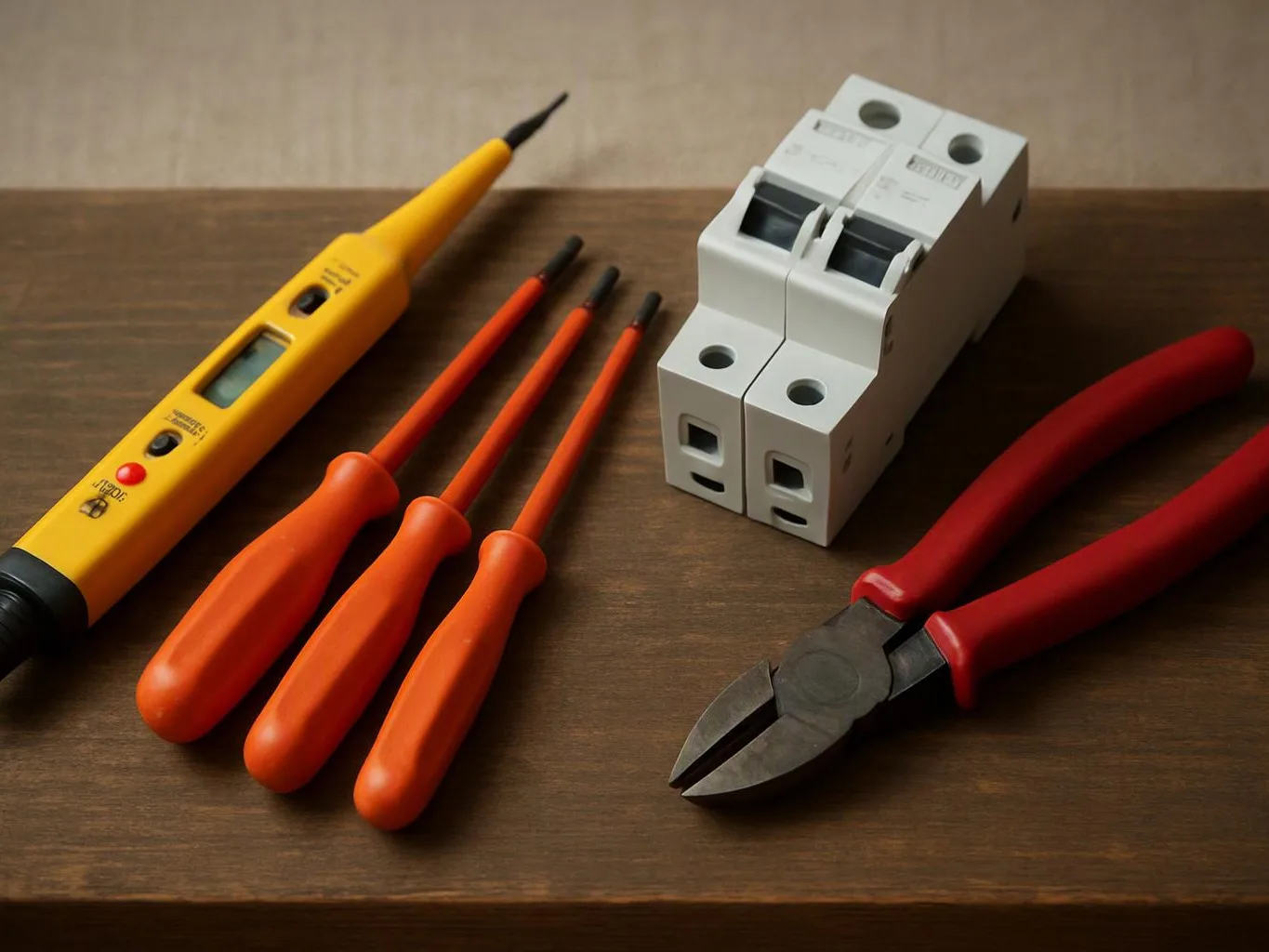
A yellow voltage tester, insulated pliers, a work glove, and two breaker switches lie on a beige surface

ZIP Codes We Serve in Oregon, Ohio

43616

Transfer Switch Installation in Other Areas

(419) 574-6561