
What Is Electrical Load?
Electrical load is the amount of electrical power that connected devices draw from a circuit or electrical system. The load changes as equipment starts, stops, or operates at different levels. Electricians assess load when planning wiring, selecting circuit protection, and deciding whether a dedicated circuit can serve equipment safely and reliably.
Quick Facts About Electrical Load
Category
Electrical system measurement
Used for
Circuit planning and equipment connections
Common confusion
Load is not voltage
Also called
Load, Power demand
Often discussed with
Dedicated Circuit Installation
Key Takeaways About Electrical Load
- Load describes demand, not the wire or breaker itself.
- Equipment operation changes the load on a circuit.
- Load is not the same as voltage.
How Electrical Load Works
Electrical load begins when equipment draws power from a circuit. A lamp creates a small demand, while heating equipment or motor-driven equipment may create a larger demand. The total load includes the connected equipment that operates on the same circuit.
Related glossary terms: Circuit, Current, Voltage.
Electricians consider load while planning a dedicated circuit because the circuit must serve its assigned equipment without excessive demand on shared wiring. Equipment labels, circuit information, and operating conditions help show how the load behaves. A device may draw more power during startup or when it works at full output. Current describes the flow associated with that demand, while voltage describes the electrical pressure that drives the flow.
From the Toledo Electrician team
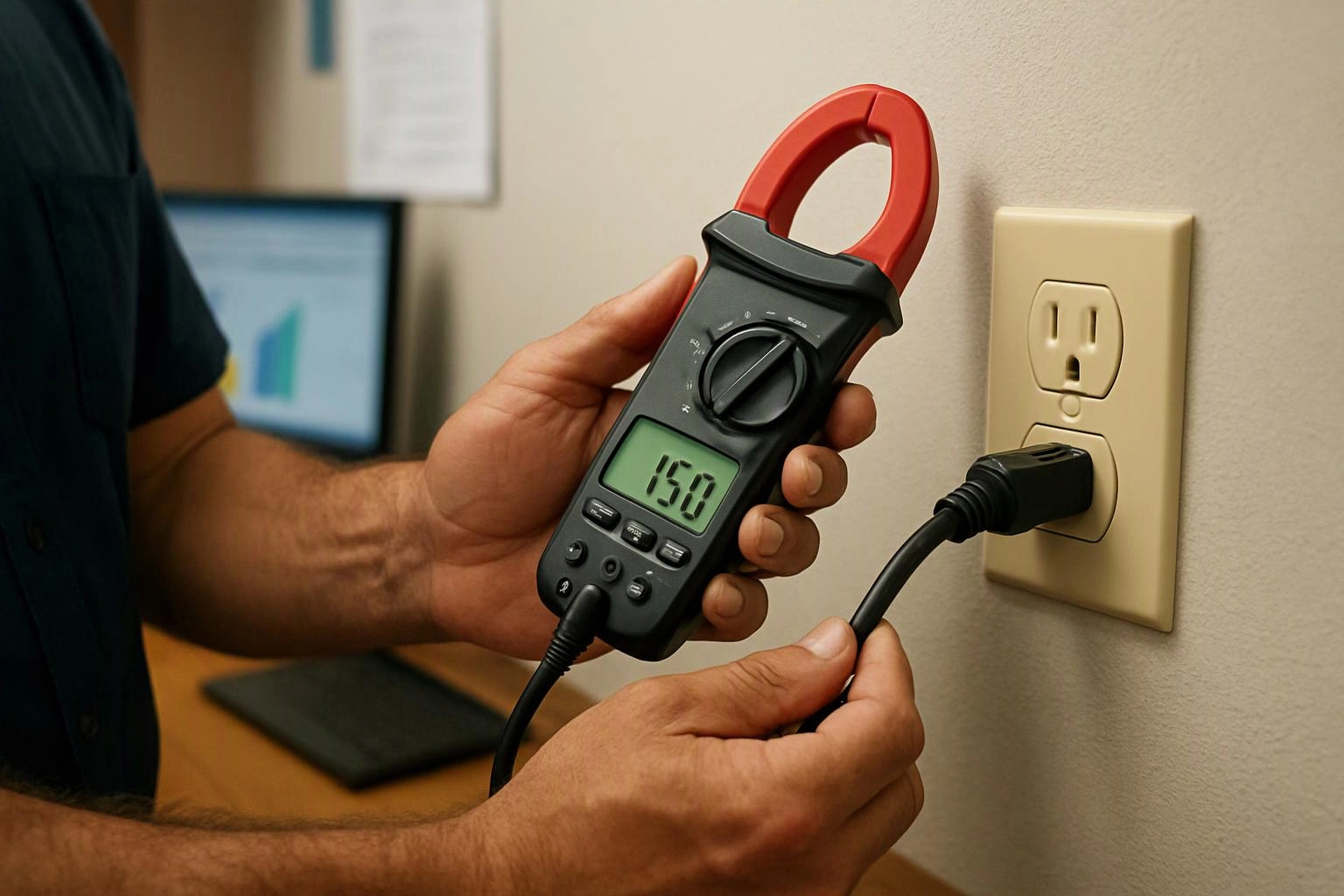
When we plan a dedicated circuit installation, we identify the equipment that will use the circuit and review its electrical demand. We also check the existing panel and circuit path so the new connection fits the system. This approach helps separate the equipment load from unrelated loads on nearby circuits.
Electrical Load in Practice: A Real-World Example
A homeowner may need a dedicated circuit for a permanently installed appliance with a substantial electrical demand. We assess that appliance load separately so other household receptacles do not share the same circuit.
Related Services
Related Terms
Circuit
Circuit is a complete electrical path that carries current from a source through conductors and connected…
Current
Current is the flow of electric charge through a conductor, such as a wire or a…
Voltage
Voltage is the electrical potential difference that creates pressure for current to move through a circuit…
Watt
A watt is a unit of power that describes how quickly electrical energy is used or…
Toledo Electrician
Have Questions About Electrical Load?
Contact Toledo Electrician for practical guidance on Electrical Load and related 24 hour electrician work in Toledo.