What causes lights to flicker or dim?
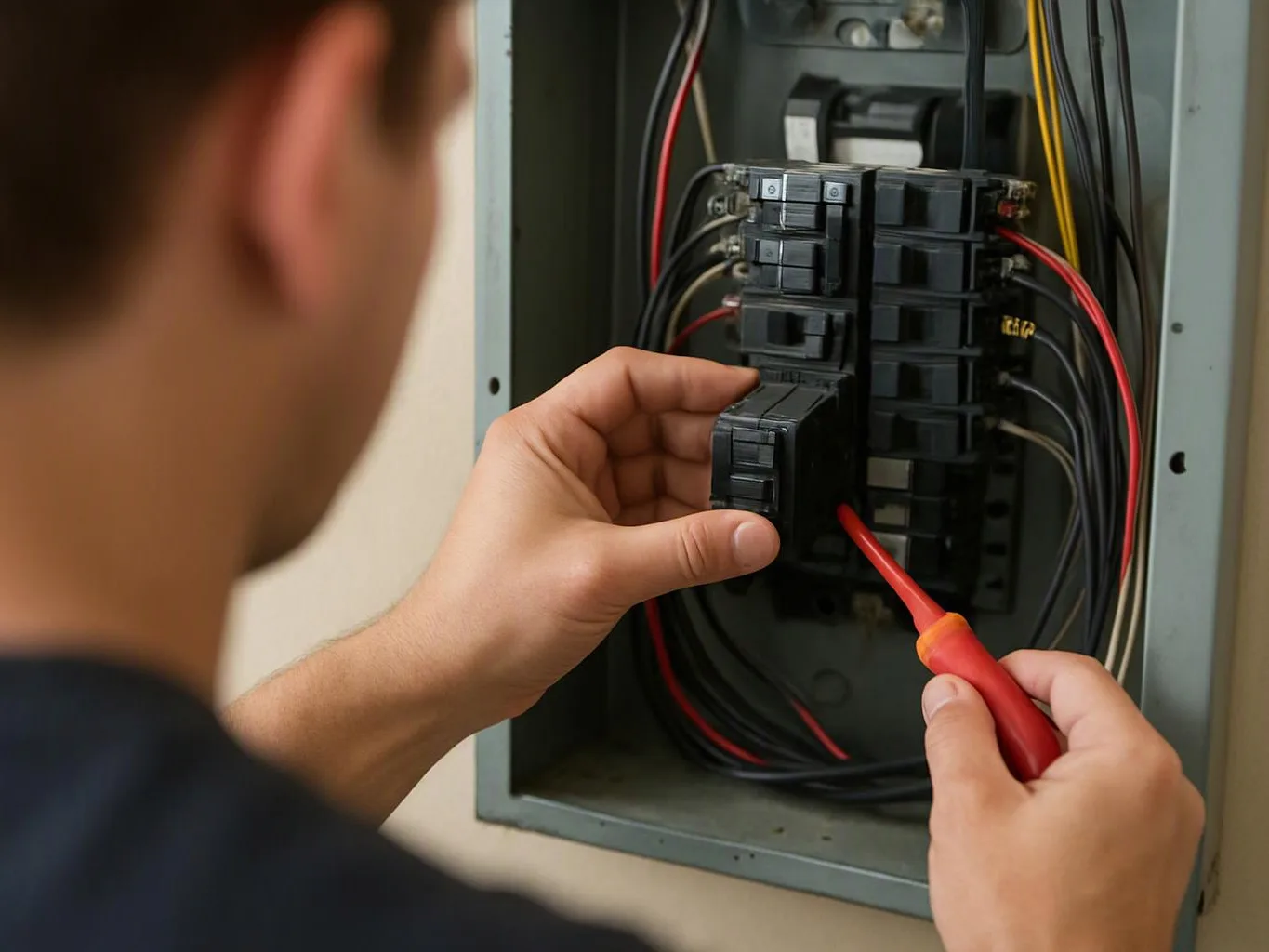
Loose wiring, overloaded circuits, faulty switches, and utility fluctuations can cause flickering or dimming. We inspect the affected circuit, switch, fixture, and panel connections to separate those causes. A burning smell, buzzing panel, sparking outlet, or warm switch plate calls for urgent attention. Turn off the affected circuit if it can be done safely.
How does a troubleshooting visit move from the first call to the last step?
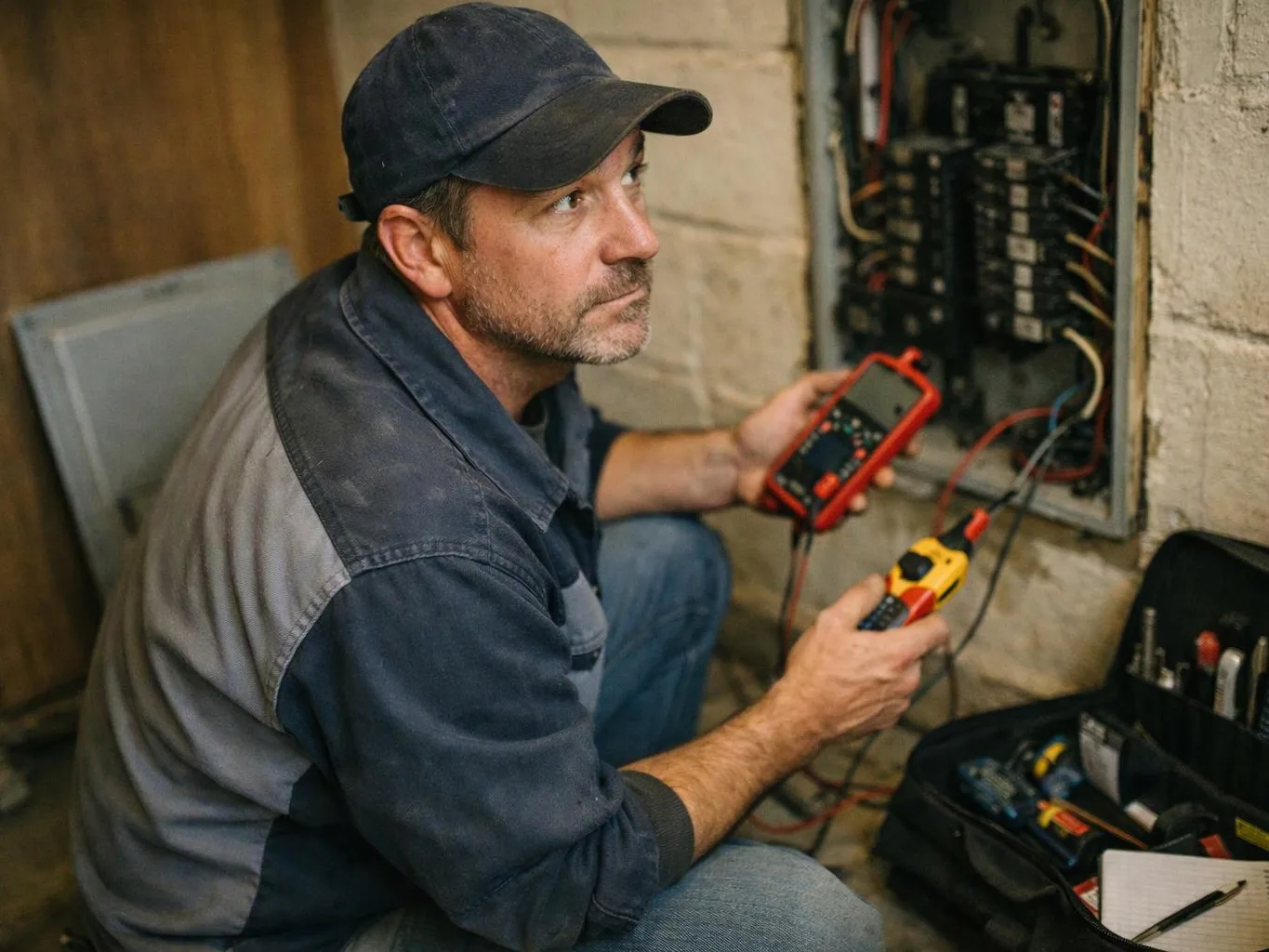
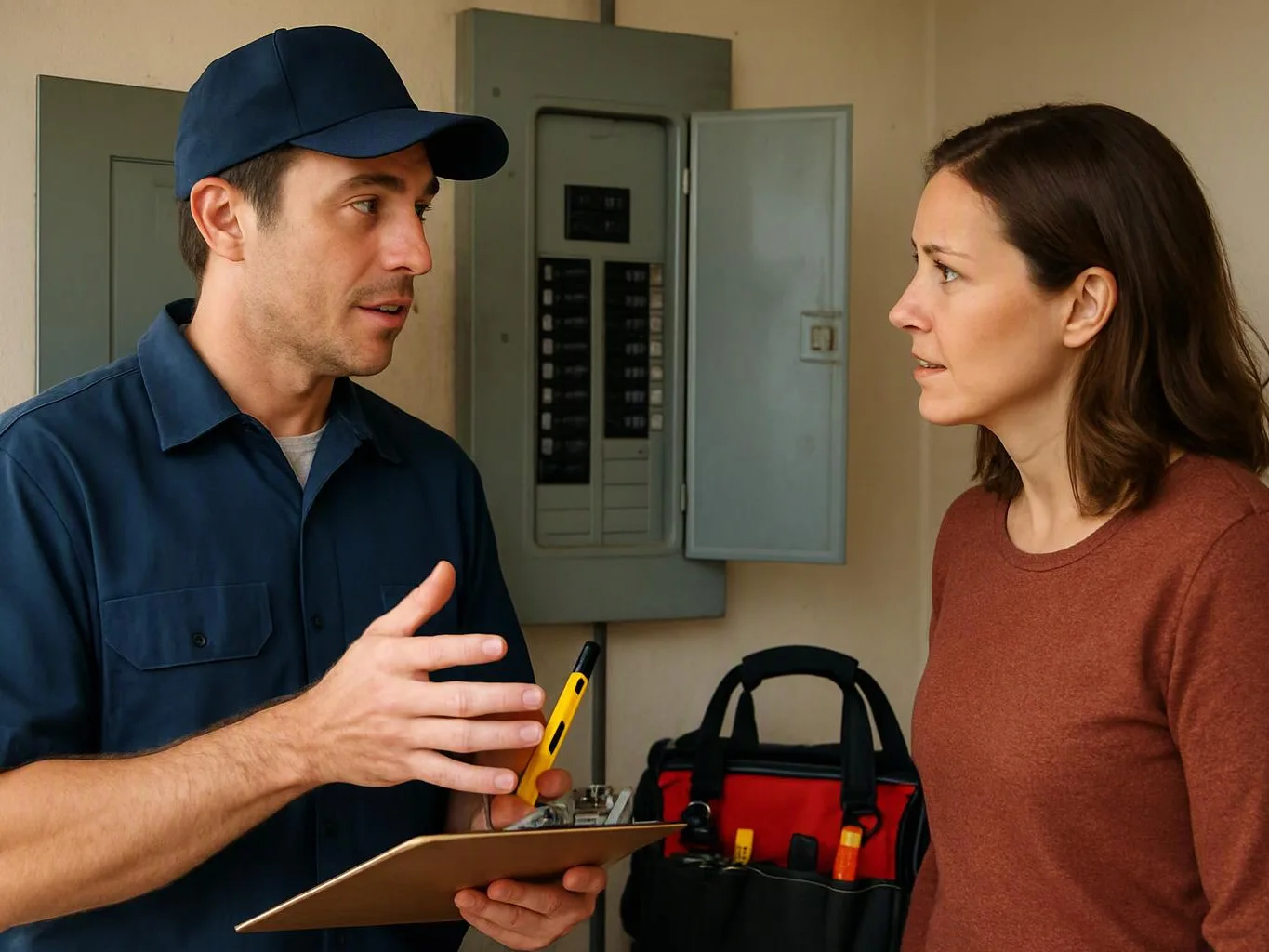
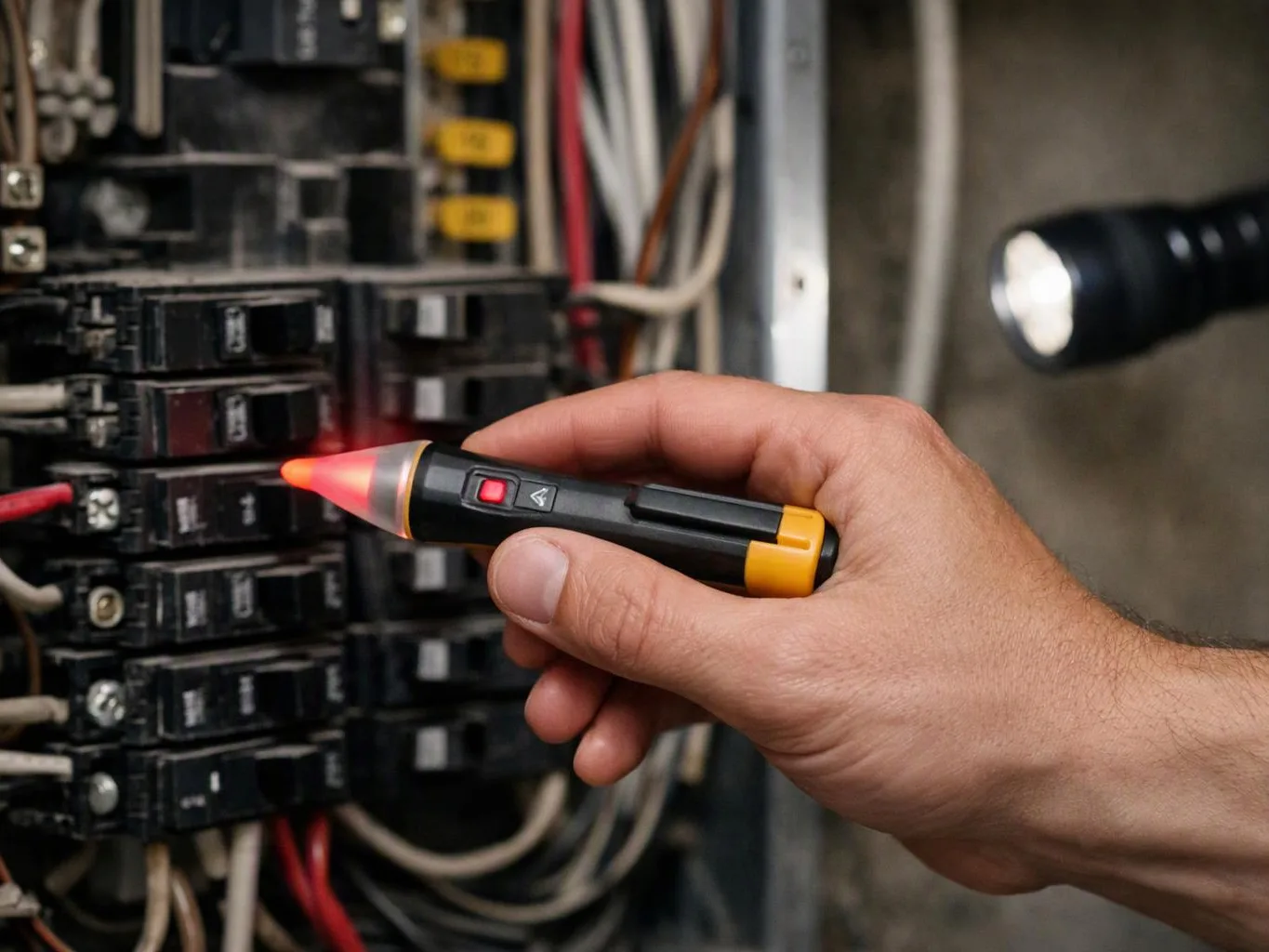
The visit moves from symptom review to circuit inspection, testing, diagnosis, and a repair recommendation. We begin by recording the affected areas and recent changes. Then we trace the circuit, check its parts, and verify the finding. The final step is a plain explanation of the repair scope or needed follow-up work.
Which material changes how long troubleshooting takes?
Aluminum wiring can change the inspection and repair approach because its connections need focused attention. We check the wiring type, terminal condition, access, and affected circuit before setting the scope. Older wiring methods may also require a broader review when the fault does not stay within one fixture or switch.
When does flickering become an urgent electrical problem?
Flickering becomes urgent when it comes with heat, smoke, a burning smell, sparks, or a buzzing panel. Stop using the affected switch or outlet and keep clear of damaged parts. We provide emergency electrical service for unsafe symptoms and check the circuit before recommending normal use.
Why does one light flicker while other lights stay steady?
One flickering light often points to a local switch, fixture, connection, or branch-circuit fault. We inspect that light's path and compare its breaker and connections with the rest of the panel. The finding helps determine whether the repair belongs at the fixture, switch, wiring, or panel.
How can a customer tell whether troubleshooting fits the property?
Troubleshooting fits a property with an active electrical symptom that needs a cause before repair work begins. Flickering lights, dimming, dead outlets, breaker trips, and buzzing panels are suitable reasons to request an assessment. Planned lighting, fan, or outlet upgrades without a fault belong under installation work.
What information should I provide before electrical troubleshooting in Holland?
A description of the symptom, affected rooms, breaker activity, recent changes, and safety signs gives us a useful starting point. Photos of the panel label, switch, outlet, or fixture can help when they are safe to take. Do not remove covers or touch damaged wiring before the assessment.