What is a Conduit?
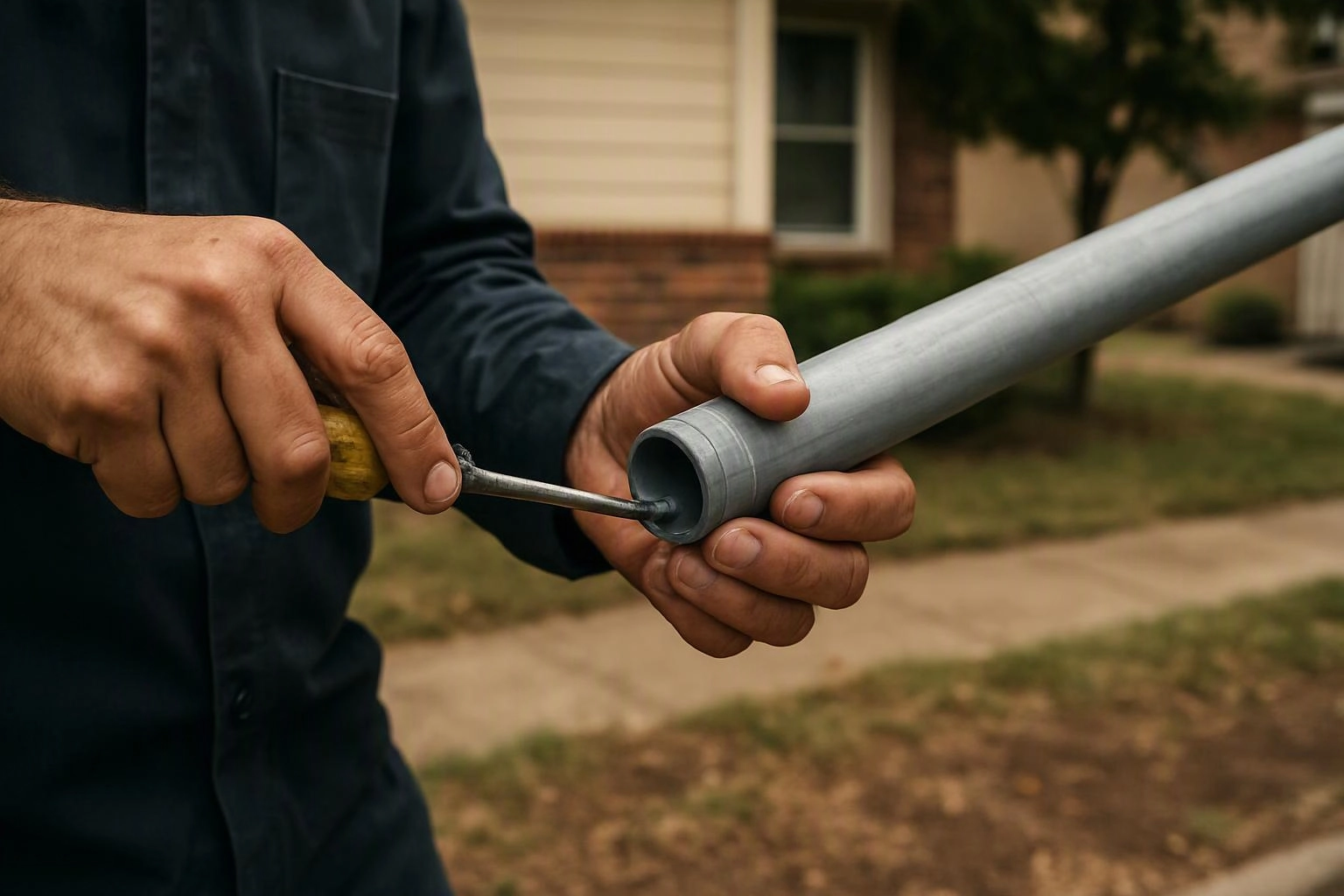
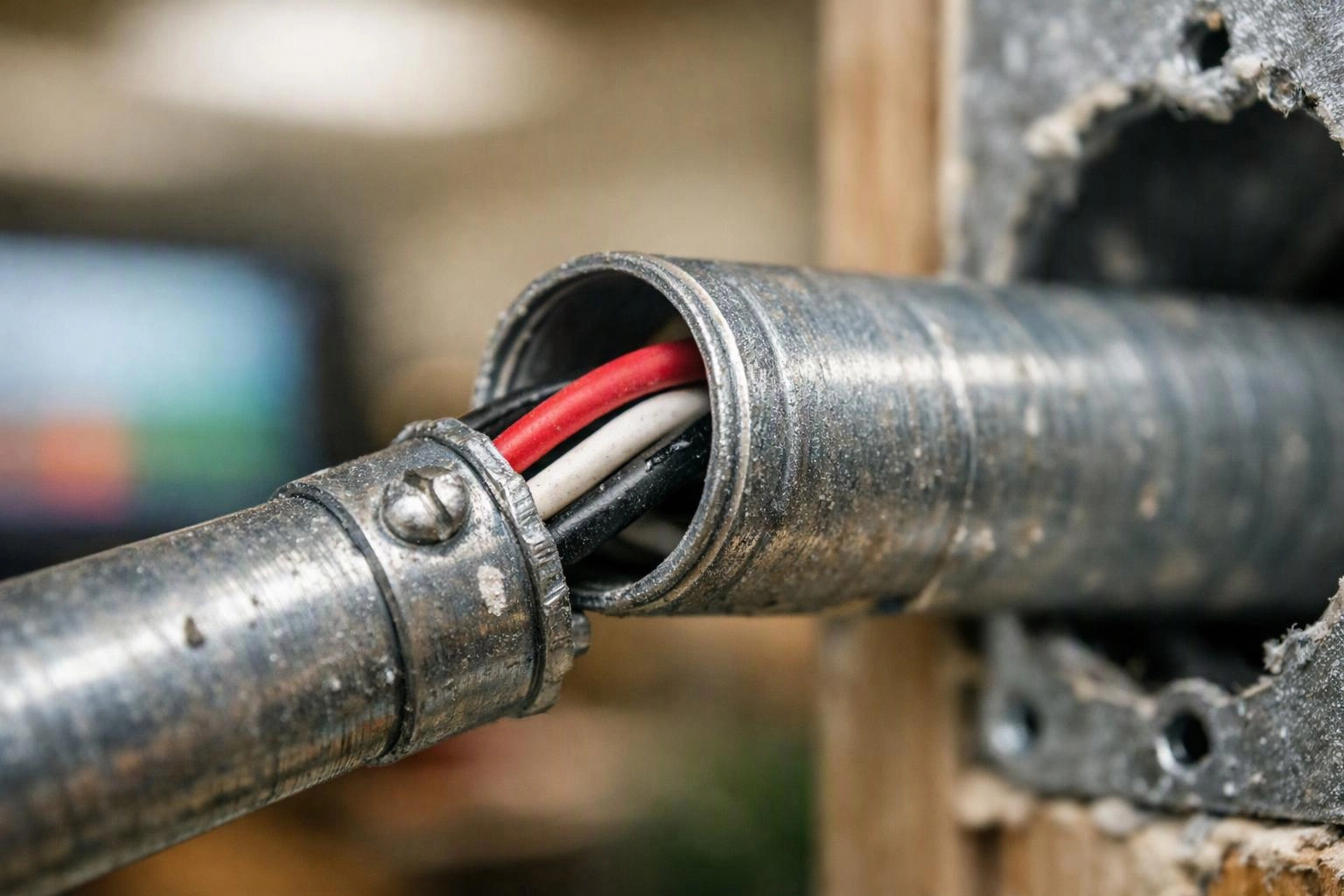
Conduit is a tube or raceway that protects and routes insulated electrical conductors. It may be made from metal, PVC, or other approved materials.
Quick Facts About Conduit
Category
Electrical raceway
Used for
Routing and protecting electrical conductors
Common materials
EMT, rigid metal, PVC, and flexible metal
Common confusion
Conduit is not the same as the wire inside it
Relevant standard
National Electrical Code, NFPA 70
Also called
Electrical raceway, Raceway
Key Takeaways About Conduit
- Conduit protects conductors from damage, moisture, corrosion, and other site conditions.
- Common materials include EMT, rigid metal conduit, and PVC conduit.
- Conduit size depends on conductor count, wire size, insulation, and fill limits.
- Metal conduit may provide a grounding path when installed and bonded correctly.
- Local code rules can change by location, building type, and installation method.
Understanding Conduit

Conduitis a protective raceway for electrical conductors. The raceway creates a set route between devices. These include.panelboard, junction box, switch, receptacle, or equipment. Conductors stay insulated inside the raceway. Conduit helps reduce damage from impact, rubbing, moisture, sunlight, chemicals, and heat.
Related glossary terms: PVC Conduit, National Electrical Code, Electrical Grounding.
Electricians select conduit by material, location, strength, flexibility, and code rules. EMT is common indoors because it's light and easy to bend. PVC conduit resists corrosion. It works well in many damp or underground locations. Rigid metal conduit provides more physical protection. Flexible conduit helps connect equipment that moves or shakes.
How Conduit Works, Is Measured, or Is Used?
The conduit route starts with a layout. The layout shows the power source, device locations, bends, boxes, and supports. Wires are pulled through the raceway after workers assemble the path. They’re also installed as workers build the raceway. Each connection must stay accessible. Fittings must match the conduit type and location.
Conduit size depends on conductor number, conductor size, and insulation type. It also depends on allowed raceway fill. Electricians check bend limits, pulling tension, support spacing, temperature effects, and voltage drop. A crowded raceway can make wire installation difficult. It can also increase heat around conductors. The raceway must provide enough usable interior space.
Why Conduit Matters?

Correctly installed conduit protects wiring. It can extend an electrical system's service life. It also keeps conductors organized. This makes future testing, repair, and replacement easier. In some metal raceway systems, bonding connects metal parts. This creates a fault-current path for protective devices.
The wrong raceway can create problems when wire size is correct. A fitting may not seal against water. A damaged section may cut insulation. A poorly supported run may pull connections apart. Electrical code rules address these hazards. They cover materials, grounding, protection, support, box access, and conductor fill.
When Conduit Matters Most?
Conduit matters most in garages, commercial spaces, and unfinished areas. It also matters outdoors and in places exposed to impact or moisture. It helps.service upgrade, generator installation, equipment addition, or whole-house rewiring project. These jobs often need new paths through walls, ceilings, slabs, or outside surfaces.
Before approval, inspect the raceway for cracks, rust, sharp edges, and loose fittings. Check for open ends and water entry. Check that boxes stay accessible. Make sure conductors aren't packed beyond permitted fill. In Toledo, OH, permit and inspection rules can apply to changes, new circuits, and service work. The planned raceway system should match the adopted electrical code and project conditions.
How to Evaluate Conduit?
- Confirm that the conduit type is approved for the location, including wet, outdoor, underground, or hazardous areas.
- Check raceway fill against conductor count, wire size, insulation, and the applicable electrical code tables.
- Inspect bends, couplings, bushings, and fittings for secure connections and protection against insulation damage.
- Verify that metal raceway sections are electrically continuous and bonded where the grounding path requires it.
- Look for adequate supports, accessible junction boxes, sealed openings, and protection from physical damage.
Related Concepts Compared
Conduit vs. Romex
Romex is a common trade name for nonmetallic-sheathed cable. The cable contains insulated conductors and an outer jacket, while conduit is a separate raceway that usually receives individual conductors.
Conduit vs. PVC Conduit
PVC conduit is one specific conduit material made from rigid polyvinyl chloride. Conduit also includes metal and flexible raceway types.
Conduit vs. Junction Box
A junction box encloses wire splices or connections. Conduit routes conductors to and from the box, but it does not replace the box.
Conduit vs. Wire Gauge
Wire gauge describes conductor size. Conduit size describes the interior raceway space available for one or more conductors.
Expert Note
A raceway can look sound while still having a serious installation defect. Sharp cut edges, loose locknuts, excessive bends, and missing bushings can damage insulation during pulling or service. Check fittings and conductor movement, not just the visible pipe.
Common Mistakes or Myths About Conduit
- Treating conduit as a replacement for grounding and bonding.
- Using indoor-rated conduit fittings in wet or underground locations.
- Filling a raceway beyond its permitted conductor capacity.
- Leaving sharp cut edges that can damage conductor insulation.
- Burying junction boxes or covering them so future access is impossible.
Conduit in Practice: A Real-World Example
A detached garage gets a new 20-amp branch circuit from the main panel. An electrician runs approved PVC conduit underground. At an exposed wall, the electrician changes to metal conduit and pulls sized conductors through it. The setup protects wiring from soil moisture and vehicle impact.
Related Terms
PVC Conduit
PVC Conduit is a nonmetallic raceway made from polyvinyl chloride that protects and routes insulated electrical…
National Electrical Code
National Electrical Code is a model safety standard for designing, installing, and inspecting electrical systems in…
Electrical Grounding
Electrical Grounding is a safety system that connects electrical equipment and circuits to the earth or…
Bonding
Bonding is the intentional connection of metal electrical parts to create a continuous path for fault…
Toledo Electrician
Have Questions About Conduit?
Contact Toledo Electrician for practical guidance on Conduit and related 24 hour electrician work in Toledo.